Buying a hydraulic pump is not a routine procurement task; it is a decision that directly affects equipment performance, operating stability, maintenance cost, and system lifespan. Whether you are sourcing a replacement unit or selecting a pump for new machinery, the wrong choice can lead to pressure loss, frequent breakdowns, overheating, and unplanned downtime.
With thousands of hydraulic pumps for sale online and offline, buyers often rely on surface-level specifications or price comparisons. That approach rarely works. Pumps that appear identical on paper can behave very differently under real operating conditions.
This checklist-driven guide is designed to help engineers, procurement teams, and equipment owners evaluate hydraulic pumps with clarity before clicking “buy hydraulic pump” or approving a purchase order.
Start With the Equipment, Not the Pump
Every hydraulic pump exists to serve a specific piece of equipment. Yet many buyers begin the process by browsing pump catalogs rather than analyzing the machine the pump will power.
Before reviewing pump options, assess the equipment’s operating role. Is it a press, lift, conveyor, construction machine, agricultural unit, or industrial automation system? Each application places different demands on pressure stability, flow consistency, duty cycle, and response time.
Understanding how the equipment works under load is the foundation of a reliable pump selection guide. Without this clarity, even a high-quality pump may fail to deliver consistent performance.
Confirm Operating Pressure and Flow Requirements
Pressure and flow are the two most critical parameters when selecting any hydraulic pump.
Pressure determines the force the system can generate, while flow controls how fast actuators move. Buying a pump with insufficient pressure results in underperformance, while excessive pressure capability often leads to wasted energy and unnecessary heat generation.
Flow rate must align with equipment speed requirements. Pumps that deliver more flow than needed increase power consumption and stress system components. Pumps with flow below the required rate cause slow operation and productivity loss.
Accurate pressure and flow calculations help narrow down suitable hydraulic pump types and prevent costly mismatches.
Understand the Duty Cycle and Operating Hours
Not all pumps are designed to run the same way.
Some equipment operates continuously for long production shifts, while other equipment runs intermittently with frequent start-stop cycles. A pump that performs well in short bursts may overheat or wear prematurely if forced into continuous operation.
Evaluate how many hours per day the pump will run, how often it starts and stops, and whether it operates under full load or varying conditions. Pumps designed for continuous duty feature stronger bearings, improved cooling, and tighter internal tolerances.
Ignoring the duty cycle is one of the most common causes of early pump failure.
How To Choose the Right Hydraulic Pump Type
Different hydraulic pump types serve different operating needs, and choosing the wrong design can compromise system behavior.
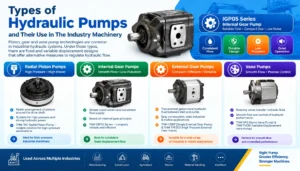
Gear pumps are widely used for simple systems that require steady flow and moderate pressure. They are compact and cost-controlled but tend to generate more noise and vibration.
Vane pumps deliver smoother flow and quieter operation, making them suitable for indoor equipment or systems where pressure stability is critical.
Piston pumps handle higher pressures and variable loads with greater control. They are commonly used in advanced industrial machinery where performance consistency is critical.
Understanding these differences ensures the pump is compatible with both the equipment and the operating environment.
Evaluate Compatibility with Existing System Components
A hydraulic pump does not operate in isolation. It interacts with valves, hoses, reservoirs, filters, actuators, and control systems.
Before finalizing a purchase, confirm that the pump is compatible with existing pressure ratings, connection sizes, and fluid types. A mismatch in fittings or operating pressure can compromise system safety and efficiency.
Electrical compatibility also matters when buying electrically driven pumps. Voltage, phase, and motor specifications must align with the available power supply to avoid operational issues.
System compatibility checks prevent installation delays and post-purchase surprises.
Pay Attention to Noise and Vibration Levels
Noise is often treated as a secondary concern, but it has real operational consequences.
High noise levels affect operator comfort, workplace compliance, and machine stability. Excessive vibration can loosen fittings, accelerate wear, and cause pressure fluctuations.
When reviewing hydraulic pumps for sale, look for documented noise ratings rather than generic claims. Pumps with smoother internal flow paths and better balancing tend to operate more quietly and with less mechanical stress.
Quieter operation often signals better build quality and longer service life.
Review Build Quality and Material Standards
Hydraulic pumps endure constant mechanical stress, pressure cycling, and thermal variation. Material quality directly affects the pump’s service life.
Look for pumps with hardened internal components, precision-machined housings, and seals compatible with your specific hydraulic fluid. Poor material selection leads to internal leakage, pressure loss, and frequent maintenance.
Surface finish, shaft design, and bearing quality all contribute to pump reliability. A visually similar pump may differ significantly in durability depending on its manufacturing process.
Check Cooling and Heat Management Capability
Heat is one of the main enemies of hydraulic systems.
Excessive heat reduces fluid viscosity, accelerates seal wear, and shortens pump lifespan. Pumps that operate near their upper limits generate more heat, especially in continuous-duty applications.
Assess whether the pump design supports effective heat dissipation. This may include casing design, internal flow efficiency, and compatibility with external cooling or reservoir capacity.
Proper heat management supports stable performance over long operating hours.
Evaluate Maintenance and Service Accessibility
Ease of maintenance directly affects operating cost.
Pumps that require complex disassembly for basic servicing increase downtime and labor expense. Before buying, consider how easily filters, seals, and key wear components can be accessed.
Also assess the availability of spare parts and service support. Pumps from suppliers with limited after-sales support may appear cost-effective initially but become expensive to maintain over time.
An easy-to-service pump stays in operation longer and reduces unplanned shutdowns.
Compare Online Pricing with a Quality Lens
Online platforms make it easy to compare pump online prices, but price alone should never drive the decision.
Extremely low-priced pumps often compromise on material quality, internal tolerances, or testing standards. These compromises may not be obvious at the time of purchase but become apparent during operation.
When reviewing hydraulic pumps for sale online, balance pricing against specifications, certifications, warranty terms, and supplier credibility. A slightly higher upfront cost often translates into better performance stability and lower long-term expense.
Verify Certifications, Testing, and Documentation
Reliable pump manufacturers provide clear documentation that supports performance claims.
Look for pressure-testing records, material specifications, and evidence of compliance with recognized quality standards. Proper documentation indicates consistent manufacturing processes and product accountability.
Avoid pumps with vague descriptions or missing technical details. Transparency reduces risk and builds confidence in purchasing decisions.
Consider Replacement and Upgrade Flexibility
Equipment requirements evolve over time.
When buying a hydraulic pump, think beyond current needs. Assess whether the pump allows for future system upgrades, increased load, or process changes.
Standardized mounting, adaptable fittings, and flexible pressure ranges make future replacements easier. Pumps that constrain operating limits may limit system growth.
Forward-looking selection saves time and reduces costs over time.
Final Checklist Before You Buy
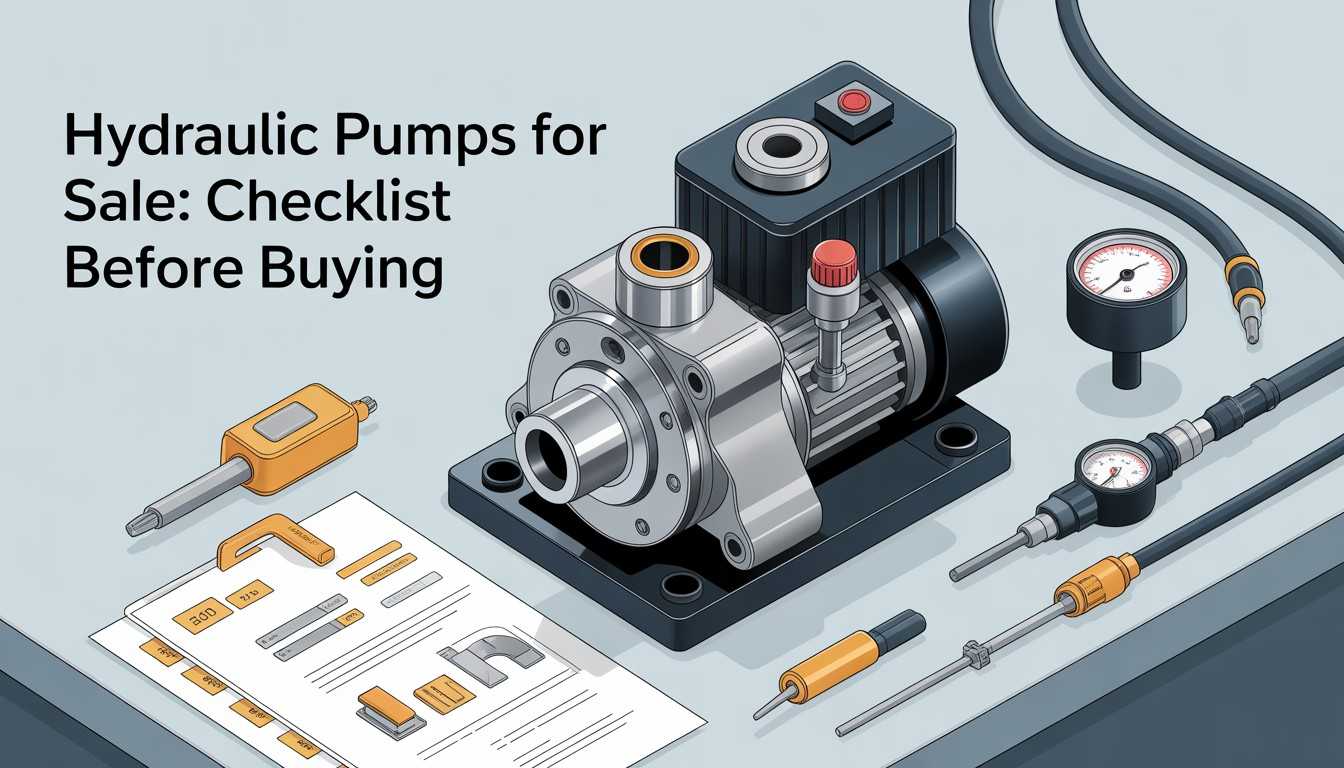
Before finalizing your purchase, review the following:
- Equipment operating requirements are clearly defined
- Pressure and flow match real working conditions
- Pump type aligns with duty cycle and environment
- System compatibility is confirmed
- Noise and vibration levels meet workplace needs
- Build quality supports long-term use
- Maintenance access is practical
- Pricing is evaluated against the total ownership cost
This checklist helps ensure that when you buy hydraulic pump units, you invest in reliability rather than react to short-term needs.
Conclusion
Buying a hydraulic pump isn’t about choosing the most powerful or the cheapest option; it’s about selecting the right pump for the job it needs to perform every day.
A structured evaluation approach reduces operational risk, improves equipment stability, and supports predictable performance. By following this checklist, buyers move beyond guesswork and make decisions grounded in technical fit and long-term value.
The right hydraulic pump supports productivity, protects equipment, and keeps operations running without unnecessary interruptions.
FAQ’s
What should I check before buying a hydraulic pump online?
Verify technical specifications, including pressure range, flow rate, and mounting configuration. Review the product documentation, test details, and warranty coverage, rather than focusing solely on the pump's online price. Supplier credibility and spare part availability also matter. A well-documented pump reduces risk after installation.
How do different hydraulic pump types affect performance?
Gear pumps are suitable for simple systems with steady operating conditions. Vane pumps provide smoother flow and quieter operation for indoor or controlled environments. Piston pumps handle higher pressure and variable loads with better control. Choosing the right pump type ensures consistent system behavior.
Why is duty cycle important when selecting a hydraulic pump?
Duty cycle defines how long and how often the pump operates during a working period. Pumps designed for short bursts may fail when used continuously. Continuous-duty pumps manage heat and wear more effectively. Matching the pump to the duty cycle extends service life.
Is it risky to buy hydraulic pumps based only on price?
Yes, focusing only on price often leads to compromised build quality and shorter lifespan. Low-cost pumps may lack proper testing, material strength, or long-term support. A slightly higher upfront cost often results in fewer breakdowns and lower maintenance expenses. Price should always be evaluated alongside quality indicators.
How can I tell if a hydraulic pump is reliable?
Reliability is reflected in the build materials, precision manufacturing, and documented testing. Pumps with clear technical data and service guidelines tend to perform more consistently. The availability of spare parts and support also signals long-term reliability. A reliable pump maintains pressure stability under load.
What role does noise play when selecting a hydraulic pump?
Noise affects operator comfort and system stability, especially in indoor or production environments. High noise often indicates vibration or internal inefficiencies. Quieter pumps usually deliver smoother flow and reduced mechanical stress. Noise ratings should be considered during pump selection.
Can one hydraulic pump be used across different equipment types?
Some pumps offer flexible pressure and flow ranges that suit multiple applications. However, using a single pump across very different machines may compromise performance. Equipment-specific selection ensures better efficiency and reliability. Pumps should always be chosen with the primary application in mind.