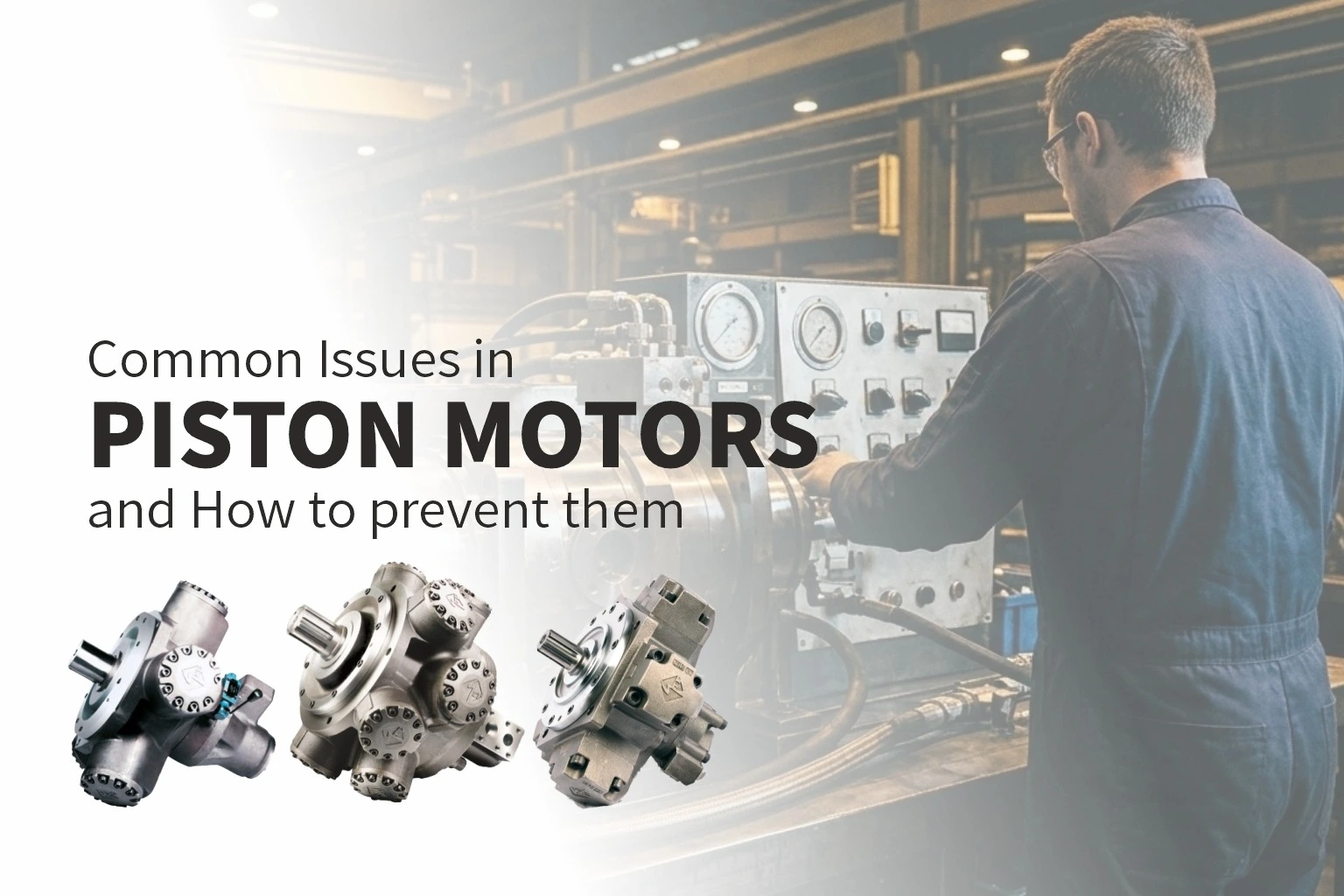
One of the important components of a hydraulic system is a piston motor. It transforms hydraulic power into mechanical motion and is applied in heavy machines, construction equipment and in industrial systems since it is capable of handling heavy loads and generating high torque.
Piston motors may end up having issues with time because of improper upkeep, contamination, overheating, or improper system configuration. Such problems may slow down the performance of the machines and lead to downtimes. The knowledge of these issues assists in the enhancement of machine life and minimizing costs of repairs.
Understanding How a Hydraulic Piston Motor Works
A hydraulic piston motor is a motor that works on the principle of pistons that are fitted in a rotary cylinder block. Hydraulic fluid under pressure enters the motor and causes the pistons to move resulting in rotational motion. This movement moves mechanical parts of machines and industrial equipment.
The reason why these motors are popular is that they offer:
- High torque output
- High efficiency
- Consistent performance under pressure.
- Easy and regulated movement.
High pressure piston motor is typically applied in heavy duty cases when powerful and stable power is needed.
Although piston motors are built to last long, there are conditions under which they may result in performance problems. Knowledge of these piston motor issues will assist the operators in identifying faults at an early stage.
Common Issues in Piston Motor Systems
Although piston motors are made to last long, there are circumstances that may lead to performance complications. These piston motor problems are also understood to enable early detection of faults by the operators.
1. Overheating in Piston Motors
One of the commonest problems of hydraulic piston motors that occur in industrial systems is overheating.
Causes:
- Low hydraulic oil levels
- High operating pressure
- Poor lubrication
- Restricted oil flow
Internal components may wear out and seals may be damaged when too much heat is generated.
Prevention:
- Maintain proper oil levels
- Check correct system pressure.
- Apply suggested hydraulic fluids.
- Check clearing systems are routinely performed.
The problem of overheating should be avoided by carrying out regular inspections.
2. Hydraulic Fluid Contamination
The hydraulic fluid contamination is the cause of most of the frequent faults in the piston motors.
Causes:
- Hydraulic system infiltration of dirt.
- Poor filtration
- Moisture in the oil
Polluted fluid may destroy pistons, bearings, and inner surfaces.
Signs of Contamination:
- Reduced motor performance
- Unusual noise from the motor
- Greater internal tolerance.
Fitting of proper filtration systems is necessary to minimize the risks of contamination.
3. Oil Leakage
Another prevalent problem of the piston motor is oil leakage which impacts hydraulic systems.
Causes:
- Damaged seals
- Loose fittings
- Excessive pressure
Leakage may cause loss of power and pressure in the system.
Prevention:
- Check seals and hoses frequently.
- Maintain the right amount of pressure.
- Change outdated parts fast.
In most instances, early failures are avoided because of earlier detection.
4. Reduced Motor Efficiency
Internal parts may wear or get out of place resulting in efficiency loss.
Causes:
- Long-term mechanical wear
- Incorrect installationPoor maintenance practices
The industrial piston motor can use more energy and generate less power when its efficiency is reduced.
Solution:
- Periodic performance appraisal.
- Planned services.
- Refurbishment of damaged parts.
The effect of proper piston motor maintenance is the possibility of efficiency improvements.
5. Excessive Noise or Vibration
Vibration and noise may reflect some mechanical issues within it.
Possible Causes:
- Hydraulic lines contain air.
- Hydraulic system cavitation.
- Worn bearings or pistons
These issues cannot be overlooked as there can be a serious harm in case the problem is not addressed.
Prevention:
- Get rid of trapped air in the system.
- Maintain correct oil levels
- Inspect components for wear
In the case of continuing noise, it is advisable to troubleshoot professional hydraulic motors.
Importance of Regular Piston Motor Maintenance
The maintenance of piston motors should be performed regularly to avoid failures and provide efficient work of machines.
Examples of routine maintenance include:
- Monitoring the quality of hydraulic oil.
- Inspecting filters
- Monitoring system pressure
- Inspecting seals and hoses
The measures assist in eliminating the threat of significant hydraulic piston motor problems.
Properly maintain motor can last many years in working good.
Hydraulic Motor Troubleshooting Tips
Troubleshooting of the hydraulic motor properly can make it easier to detect the issues in a short period.
Key Troubleshooting Steps:
1. Check Hydraulic Pressure
The wrong pressure rates will harm the motor.
2. Inspect Hydraulic Fluid
Oil contamination is capable of internal damages.
3. Monitor Motor Temperature
System stress is the implication of high temperatures.
4. Check for Leaks
Leaks cause loss of efficiency and loss of pressure.
5. Analyze Internal Components.
Worn pistons and bearings should be replaced when the necessity occurs.
By following these steps, it is possible to detect the typical faults of the piston motor before they get critical.
Conclusion
The hydraulic machinery heavily depends on a stable Piston motor. Nonetheless, such complications as overheating, contamination, leakage, and internal wear may arise in the course of time. The majority of the hydraulic piston motor problems can be avoide with the help of maintenance, frequent check-ups, and proper conditions of operating.
If you are looking to buy piston motors for industrial machines, choosing a trusted supplier is important. THM Huade offers top quality hydraulic components including radial piston motors and variable axial piston motors for industrial applications.
Call now to THM Huade to find the right hydraulic piston motor solution for your hydraulic system.
FAQ’s
Q1. What are the most common problems in piston motors?
Some of the common issues are oil contamination, overheating, leakage, abnormal noises, and poor performance of the motor. Such problems may influence the effectiveness of the hydraulic system.
Q2. What causes a hydraulic piston motor to fail?
Hydraulic piston motor can breakdown because of improper maintenance, contaminate hydraulic oil, over pressure, overheating, or damage internal parts.
Q3. Why does a piston motor lose power or efficiency?
Power loss normally occurs due to internal wear, low hydraulic pressure, leakage of oil or impure hydraulic fluid.
Q4. What are the signs of a failing hydraulic piston motor?
These are usually manifested by strange sound, low motor speed, overheating, vibration, and poor performance of the machine.
Q5. How often should piston motors be maintained?
To have smooth operation, piston motors are to be service and regularly checked as per the schedule given by the manufacturer of the machine.
Q6. What causes overheating in piston motors?
High system pressure, low oil levels, poor lubrication, blocked filters or continuous heavy load can be the cause of overheating.