Choosing the best hydraulic power packs is essential for anyone building or upgrading high-performance machinery in the USA. Whether you rely on a hydraulic power unit, a mini power pack, or advanced hydraulic system components, you need a solution that guarantees efficiency, reliability, and long-term value. This guide helps you understand what to look for, why design matters, and how to match the right power pack to your application.
Why Hydraulic Power Packs Matter for Performance and Reliability
The right hydraulic power packs form the backbone of every efficient hydraulic setup. They deliver the pressure and flow required to keep equipment running smoothly. High-quality power packs reduce downtime, extend component life, and ensure consistent performance for operators.
A well-selected power pack also helps you cut energy waste. For example, modern systems enable precise control of flow and pressure, improving safety and efficiency. Therefore, investing in a top-quality model often pays for itself through lower maintenance and operating costs.
Understanding Hydraulic Power Pack Design
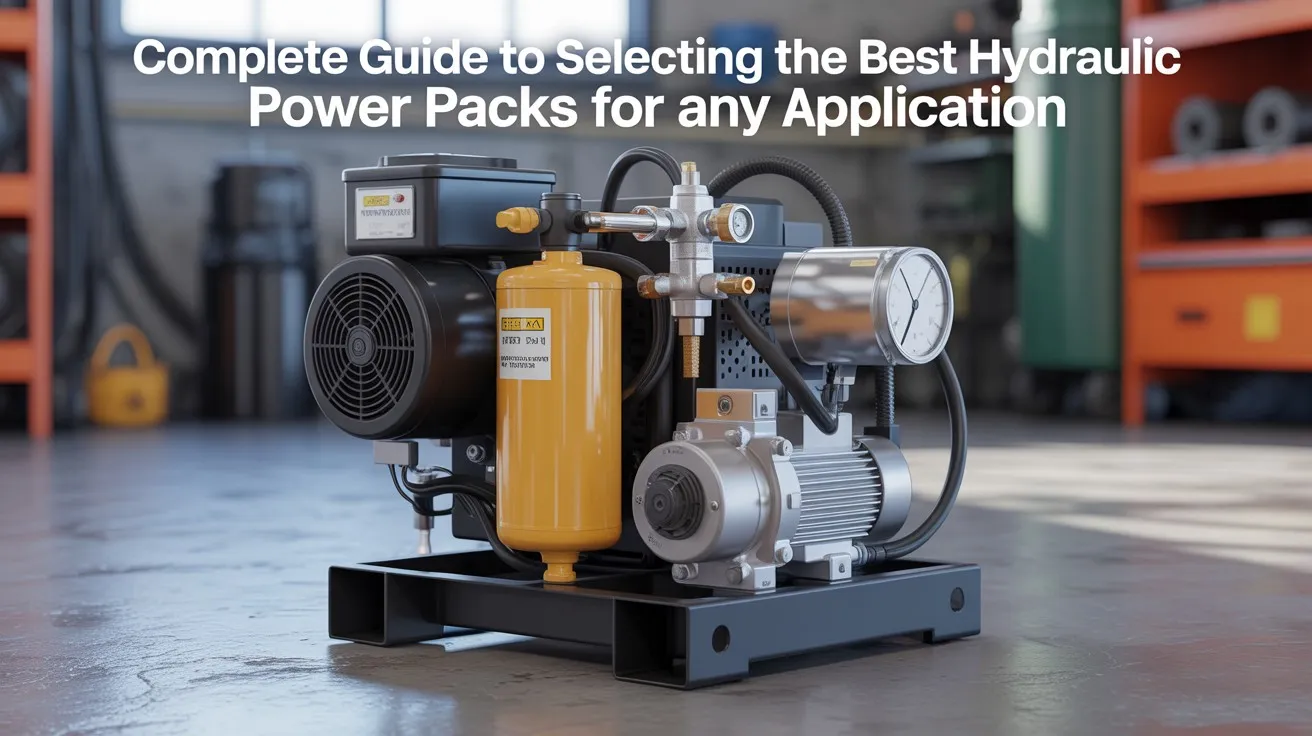
A strong hydraulic power pack design determines how effectively your equipment performs under different loads. Good design includes proper motor sizing, pump selection, reservoir capacity, and cooling systems. When these elements work together, the entire system delivers stable performance.
Additionally, smart design improves heat dissipation and reduces noise levels, two common concerns in industrial settings. This attention to detail increases operator comfort and improves workplace conditions. As a result, businesses benefit from reduced equipment wear and fewer service calls.
When assessing design, review the pump type, motor efficiency, and the material used in the housing. Better materials provide longer lifespan and stronger corrosion resistance. In contrast, poor-quality components lead to early failure and safety risks. Always choose models built with robust engineering standards.
What are the Essential Hydraulic System Components You Must Evaluate
Understanding hydraulic system components is vital before making a final selection. These components determine how well the hydraulic power unit performs in demanding applications.
Key components include:
- Pumps (gear, vane, or piston)
- Pressure relief valves
- Filters and strainers
- Manifolds
- Reservoirs
- Cooling systems
Each part plays a specific role. For example, the pump controls flow rate and pressure. Additionally, filtration components protect the entire system by preventing contamination. Dirty oil is one of the most common causes of system failure; therefore, choosing proper filtration is critical.
Cooling capacity is equally important. Without effective cooling, even the best Hydraulic Power Packs will overheat. This leads to reduced performance, accelerated wear, and system shutdowns during peak operations.
Choosing Between a Hydraulic Power Unit and a Mini Power Pack
Modern equipment users often compare a full-size hydraulic power unit to a compact mini power pack. Both play essential roles, but their capabilities differ.
A hydraulic power unit is ideal for heavy-duty operations requiring high flow rates, continuous duty cycles, or multi-function control. These units support construction machines, industrial presses, marine equipment, and large agricultural systems. They offer flexibility and can be customized to meet precise performance needs.
In contrast, a mini power pack provides the same functionality in a compact footprint. These units are perfect for mobile applications, medical devices, lift gates, small industrial equipment, and other environments where space is limited. They are lightweight, energy-efficient, and cost-friendly.
Therefore, the choice depends on your load, space, operating hours, and environmental conditions. Evaluating these factors ensures your final selection aligns with performance goals.
What are the Top Factors to Consider Before Buying Hydraulic Power Packs
When choosing powerful and reliable systems, evaluate the following:
1. Power Requirements
Determine the required pressure and flow rate. These two factors influence both performance and energy consumption. Undersized systems struggle. Oversized systems waste energy. Finding the right size ensures balanced performance.
2. Duty Cycle
Consider how often the system will run. For continuous or high-frequency operations, choose heavy-duty hydraulic power packs with superior cooling and durable components.
3. Temperature Conditions
Heat affects hydraulic fluids. Therefore, choose a power pack with proper cooling solutions if you operate in hot environments. Cold climates require models built to handle fluid viscosity changes.
4. Space and Mounting Needs
If your space is tight, a compact mini power pack might be ideal. Additionally, consider horizontal vs. vertical mounting options for better flexibility.
5. Noise Level
Some industries, such as medical and mobile equipment, require quieter operation. In such cases, choose systems with noise-reduction engineering.
6. Maintenance Requirements
Well-designed hydraulic system components simplify cleaning, inspection, and part replacement. Proper access points reduce service time and ensure long-term reliability.
How to Ensure Long-Term Performance and Safety
Maintaining your investment is just as important as choosing the right system. Regular oil checks, filter replacements, temperature monitoring, and calibration help extend equipment lifespan.
Additionally, use only high-grade hydraulic oil to reduce contamination and prevent wear. Schedule routine inspections to identify pressure fluctuations or leaks early. A well-maintained system delivers consistent results and improves workplace safety.
Conclusion
Choosing the right hydraulic power packs ensures stronger performance, higher efficiency, and long-term reliability for any application. When you evaluate design quality, system components, and operating demands, you make a smarter investment that supports safer, smoother, and more productive operations.
Ready to upgrade your hydraulic performance?
Choose THM Haude for premium hydraulic power packs built for power, precision, and long-lasting reliability. Contact us today to get the perfect solution for your application.
Frequently Asked Questions
2. What is the difference between a hydraulic power unit and a mini power pack?
A hydraulic power unit supports heavy-duty tasks with high flow and long run times. A mini power pack is compact, lightweight, and ideal for smaller applications requiring efficiency and space-saving design.
3. Why is hydraulic power pack design important?
Strong hydraulic power pack design ensures optimal pressure, reduced heat, efficient flow, and long-term system stability. Good design also enhances safety, lowers noise levels, and minimizes maintenance costs across applications.
4. How often should I service my hydraulic power unit?
Service your hydraulic power unit every 6–12 months, depending on usage. Regular checks of oil quality, filters, hoses, and temperature prevent failures, reduce downtime, and keep the entire hydraulic system running smoothly and safely.
5. Are mini power packs reliable for continuous use?
Mini power packs are reliable for light to moderate continuous use when properly sized and cooled. They perform well in compact applications, but selecting the right motor, pump, and components ensures long-term efficiency and consistent performance.