In industrial and mobile applications, the hydraulic valve seal is key. This small component operates in conjunction with a robust hydraulic servo control system. Together, they ensure top performance. In this article, we’ll explain how the hydraulic valve seal works. We’ll discuss why system efficiency is important. We’ll also cover how to optimize your equipment.
What Is a Hydraulic Valve Seal?
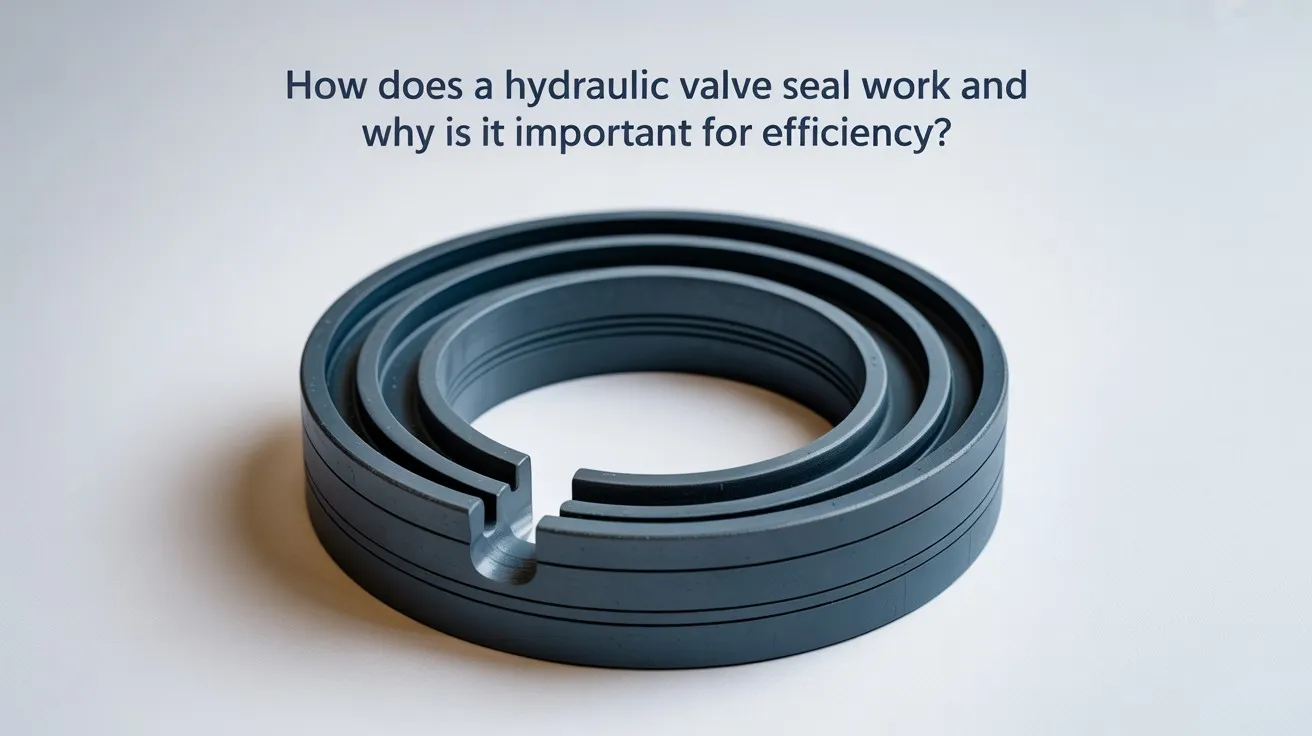
A hydraulic valve seal is a special seal that fits around the moving parts of valves in a hydraulic system. It prevents fluid from leaking past the valve element and maintains system pressure. In a hydraulic servo control system, valve seal leaks can reduce speed and lower accuracy. Engineers design these seals to handle dynamic motion, high pressure, and fluctuating temperatures.
How the Hydraulic Valve Seal Works
The operation of a hydraulic valve seal involves several key mechanisms:
- Sealing around moving parts: In a valve, spools or plungers move inside the valve body. The hydraulic valve seal grips the stem or spool. This blocks leaks but still allows movement.
- Pressure containment: The seal must prevent high-pressure fluid from bypassing the valve element. A loss of pressure means a loss of efficiency.
- Material adaptation: The seal must withstand hydraulic fluid, temperature swings, and wear. Manufacturers use materials such as PTFE, rubber, or special polymers.
- Dynamic responsiveness: In hydraulic servo control systems, valves react quickly and adjust precisely. The hydraulic valve seal needs to handle these changes. It shouldn’t fail or create too much friction.
When the hydraulic valve seal fails or wears out, fluid leaks past the valve. This causes pressure to drop, slows response time, and wastes energy.
Why the Hydraulic Valve Seal Matters for Efficiency
Using a high-quality hydraulic valve seal has major benefits:
- Maintains system pressure: Good seals prevent leaks, allowing pumps to operate smoothly.
- Reduces energy waste: Leakage means wasted power. Good sealing boosts efficiency.
- Enhances responsiveness: In a hydraulic servo system, low leakage and fast dynamic response are key for tight control.
- Extends component lifespan: Good sealing keeps out dirt. It protects valve parts and reduces wear.
- Supports reliability and safety: A failed seal can lead to uncontrolled fluid movement, performance loss, or even dangerous pressure drops.
For example, a hydraulic system used in mobile equipment in the USA may rely on servo-valves and proportional control; without a good hydraulic valve seal, maintaining precise control becomes difficult, raising operating costs and downtime.
What are the Key Components and Materials of Valve Seals?
Choosing the right materials and design for the hydraulic valve seal matters. Here are important considerations:
Seal profiles include:
- Lip seals
- U-cup designs
- V-ring seals
- O-rings
The choice depends on motion and pressure.
Materials: NBR (nitrile rubber), FKM/Viton, PTFE, polyurethane. Each has trade-offs in temperature, fluid compatibility, and durability.
Dynamic vs. Static Sealing: A hydraulic valve seal usually works with moving parts, such as a spool, rather than remaining stationary.
Design factors that affect performance include:
- Seal geometry
- Clearance between moving parts
- Surface finish
- Operating conditions like pressure and temperature
- The type of fluid also plays a role
Integration with a Hydraulic Servo Control System
A hydraulic servo control system uses precise valves and feedback devices. It also relies on controllers to manage motion. The performance of this system hinges on the quality of the hydraulic valve seal. When the seal performs well:
- The servo valve can maintain accurate positioning and force control.
- The system eliminates unwanted leakage, enabling higher gain and better stability.
- Longer maintenance intervals result from reduced wear and limited contaminant ingress.
A faulty or low-quality hydraulic valve seal can hurt the servo system’s performance. This makes control sluggish or unstable, lowers efficiency, and increases costs.
Common Failure Modes and How to Prevent Them
Understanding how hydraulic valve seals fail helps you avoid downtime:
Typical failure causes:
- Wear and abrasion from moving components or contamination.
- Material deterioration due to fluid chemical incompatibility or temperature extremes.
- Improper installation (cuts, twists, wrong size).
- Design mismatch (seal type not suited to the application).
- Overpressure or excessive cycling that overwhelms the seal’s capacity.
Prevention tips:
- Use the correct seal material for your fluid and temperature range.
- Ensure proper surface finish and clearance for spools and valve components.
- Maintain clean hydraulic fluid and filters to avoid contamination.
- Replace seals proactively rather than waiting for visible leakage.
- In a hydraulic servo control system, regularly calibrate and inspect valves. This helps catch early signs of degradation.
What are the Benefits for US-Based Industrial Applications?
U.S. companies in construction, manufacturing, mobile hydraulics, or automation need to pay attention to hydraulic valve seals. It can offer them significant benefits.
- Lower energy consumption thanks to reduced internal leakage.
- Improved asset uptime by avoiding unexpected failures.
- Enhanced control precision, especially in servo-driven systems.
- Lower maintenance costs by choosing quality sealing solutions and applying best practices.
- Improved system longevity and performance in demanding conditions.
Conclusion
A high-quality hydraulic valve seal is essential for any hydraulic system. This is especially true when paired with a precision hydraulic servo control system. It protects pressure. It ensures precise motion control. It cuts energy loss and boosts system life. In the USA’s industrial scene, investing in quality seals and good materials pays off. Proactive inspections boost efficiency, reliability, and cost control. Review your valve sealing strategy now. Your system’s performance will improve.
Ready to boost your system’s efficiency? Choose THM Huade for precision-engineered hydraulic valve seals that deliver lasting performance and control. Contact us today!
FAQs
Q2: How often should I inspect hydraulic valve seals in a servo system?
For a hydraulic servo control system, check the seals during regular maintenance. Do this every few thousand operating hours or sooner in tough conditions. Preventive inspection is far cheaper than repair downtime.
Q3: Can I upgrade the seal material for better performance?
Yes. Upgrading to materials such as PTFE or advanced composites improves temperature resistance. They also reduce friction and extend service life, especially under high pressure.
Q4: Does a hydraulic valve seal affect energy efficiency?
Absolutely. A good hydraulic valve seal reduces internal leakage. This means less wasted pump work and improved system energy efficiency.
Q5: Is the hydraulic valve seal different from cylinder seals?
Yes. Cylinder seals primarily seal between the piston and the cylinder bore, or between the piston and the rod. The hydraulic valve seal keeps the movable valve parts sealed. This helps control flow and pressure. But both are essential for overall system performance.