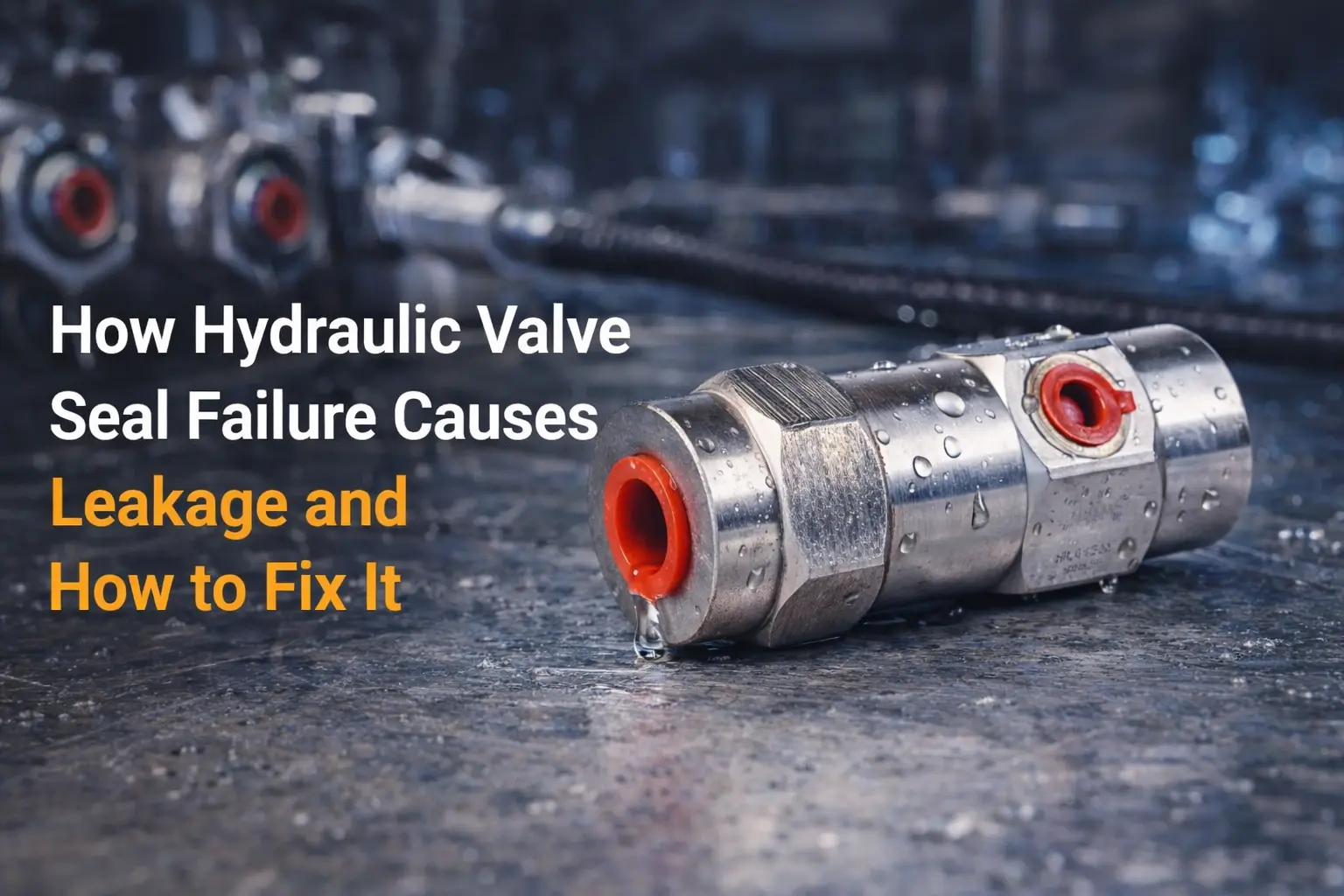
Hydraulic systems drive some of the toughest industrial machines. If you operate presses, CNC press brakes, baling presses, or injection molding machines, you depend on hydraulic valves. When these valves leak, efficiency drops. In most cases, the primary cause is a hydraulic valve seal failure.
Knowing the reasons seals break and how to repair them helps you steer clear of downtime, faulty products, and expensive fixes. This guide lays out the causes, red flags, and tested solutions in a straightforward and useful way.
Why Hydraulic Valve Seals Matter
A hydraulic valve seal prevents pressurized fluid from leaking from the valve body. It also prevents contaminants from entering the system. When the seal does its job, your valve manages flow, pressure, and direction without any loss.
If a seal breaks, fluid leaks out. Pressure falls. Heat rises. Control becomes erratic. Over time, even a small leak can damage pumps, motors, and actuators.
In industries such as steel, cement, construction equipment, and plastics, seal integrity directly impacts production quality and safety.
What are the Common Hydraulic Valve Leakage Causes
Hydraulic valve leakage occurs without warning. Several factors cause seal damage. Knowing these factors helps you prevent failures from recurring.
1. Normal Wear Over Time
Seals are parts that wear out. Each pressure cycle induces slight friction and shape changes. As months or years pass, seals get hard, crack, or lose their stretch.
In machines that run frequently, such as servo injection molding machines or CNC press brakes, wear occurs more quickly due to constant motion and pressure fluctuations.
2. Too Much System Pressure
Working above rated pressure puts stress on valve seals. Even brief pressure spikes can bend seal lips or force them out.
Press machines and baling presses often see pressure spikes. Without proper relief valve settings, seals fail prematurely.
3. High Operating Temperatures
Heat speeds up seal aging. Hydraulic fluid loses its lubricating ability at high temperatures. Seals dry out and become stiff.
Blow molding and non-stop presses often create heat. Poor cooling or dirty fluid makes things worse.
4. Contaminated Hydraulic Fluid
Dirt, metal particles, and water damage seals quickly. Rough particles cut seal surfaces. Water causes swelling and chemical degradation.
Contamination significantly impacts hydraulic valve leakage across industries.
5. Wrong Seal Material
Seals differ in their ability to handle pressure, temperature, and fluid types. Using an unsuitable elastomer leads to rapid degradation.
As an example, regular seals might not work in servo hydraulic systems because of higher dynamic loads.
6. Poor Installation
Even top-quality seals can break if you put them in the wrong place. Twisting, pinching, or scratching during assembly causes leaks to occur sooner.
Not using lubricant during installation increases friction and causes seals to wear out faster.
How to Spot Hydraulic Valve Seal Problems
Catching issues saves money on repairs. Look out for these common red flags:
- Oil leaks around valve ports
- Sluggish or uneven actuator movement
- Inability to maintain pressure
- Higher system temperature
- Loud valve operation
In precise applications such as CNC press brakes, seal issues often manifest as positional or motion errors.
How Seal Problems Affect the Whole Hydraulic System
A leaky valve does more than waste oil. It hurts system efficiency and part life.
Pressure drops make pumps work harder. Motors run longer. The heat goes up. Fluid breaks down more quickly. Over time, a faulty seal can damage pumps, motors, and cylinders.
In high-traffic industries, this ripple effect can lead to unexpected shutdowns and safety issues.
How to Fix Hydraulic Valve Seal Problems
Fixing leaks is more complex than swapping out a seal. You need to tackle the underlying issue to stop it from happening again. Let’s look at this hydraulic seal replacement guide:
Step 1: Separate and Check the Valve
Turn off the system. Release the pressure. Remove the valve and examine it.
Search for broken seals, scratches on spools, and dirt inside the valve body. Clean all parts before you check them.
Step 2: Choose the Right Seal Type
Check the valve maker’s specs. Select a seal material that matches the operating pressure, temperature, and fluid type.
For high-end systems, choose seals designed for varying loads and servo applications.
Step 3: Put in New Seals the Right Way
Stick to a strict guide for changing hydraulic seals:
- Clean grooves
- Put lubricant on seals before you install them
- Don’t use sharp tools when you put things together
- Make sure seals face the right way
When you install seals, they wear less and last longer.
Step 4: Look at System Pressure Settings
After you put in new seals, check the pressure relief settings. Ensure the system operates within its limits.
This step is critical for presses and machines that apply high force.
Step 5: Get Cleaner Fluid
Replace the dirty fluid if needed. Put in good filters. Monitor how the fluid appears.
Clean fluid protects new seals and helps valves last longer.
How to Stop Hydraulic Valve Seals from Breaking
Stopping problems costs way less than fixing them. Simple habits keep seals in good shape.
Keep Fluid Clean
Check your hydraulic fluid often. Keep water and dirt levels low. Change filters when you should.
Clean fluid helps seals last longer.
Keep Temperature Steady
Ensure cooling systems perform as intended. Don’t run machines too hot for too long.
Steady heat protects seals and keeps the fluid operating properly.
Stick to Inspection Plans
Check the check valves during other maintenance. Watch for small leaks or wear.
Fixing things stops bigger problems.
Pick Good Valves and Parts
Top-notch valves use better stuff and fit tighter. They stand up to wear and leaks longer.
Check out tough industrial choices from THM Huade hydraulic valves built for hard jobs.
When to Fix or Switch Out the Valve
Not every leak means you need to replace the whole thing. You can repair minor seal damage if the valve surfaces are still intact.
But if you see scratches or rust on the valve spool or body, it’s safer to replace it. If seals keep failing, it often points to wear inside.
For high-tech systems, think about upgrading to newer servo options.
Choosing Better Hydraulic Solutions
Dependable valves perform with steady pumps and motors. The system’s balance is key.
If you run servo-driven equipment, consider cutting-edge options such as hydraulic servo systems and long-lasting hydraulic motors.
These setups reduce pressure spikes and enhance control, which ultimately protects seals.
Final Thoughts
Hydraulic valve seal failure is common but preventable. Most leaks originate from wear, heat, dirt, or pressure misuse. By selecting the appropriate seals and using clean fluid, you can extend hydraulic valve service life.
For expert advice on top-notch valves or system improvements, contact THM Huade now. Their industrial hydraulic solutions help machines work well in the USA. This includes presses, molding machines, and heavy-duty gear.
FAQs
How can you tell if a hydraulic valve seal is leaking?
Common signs include visible oil leakage, pressure loss, slow or uneven actuator movement, and increased system temperature. In precision equipment such as CNC press brakes, seal leakage can also cause inconsistent motion or reduced control accuracy during operation.
Can hydraulic valve leakage be fixed without replacing the valve?
Yes, valve leakage can often be fixed by replacing damaged seals if the valve body and spool remain in good condition. However, if internal surfaces are worn or scored, replacing the entire valve is usually the safer and more reliable solution.
How do you prevent hydraulic valve seal failure in industrial systems?
You can prevent seal failure by maintaining clean hydraulic fluid, controlling system pressure, monitoring operating temperature, and following scheduled inspections. Using quality valves and correct seal materials also helps extend seal life in demanding industrial applications.