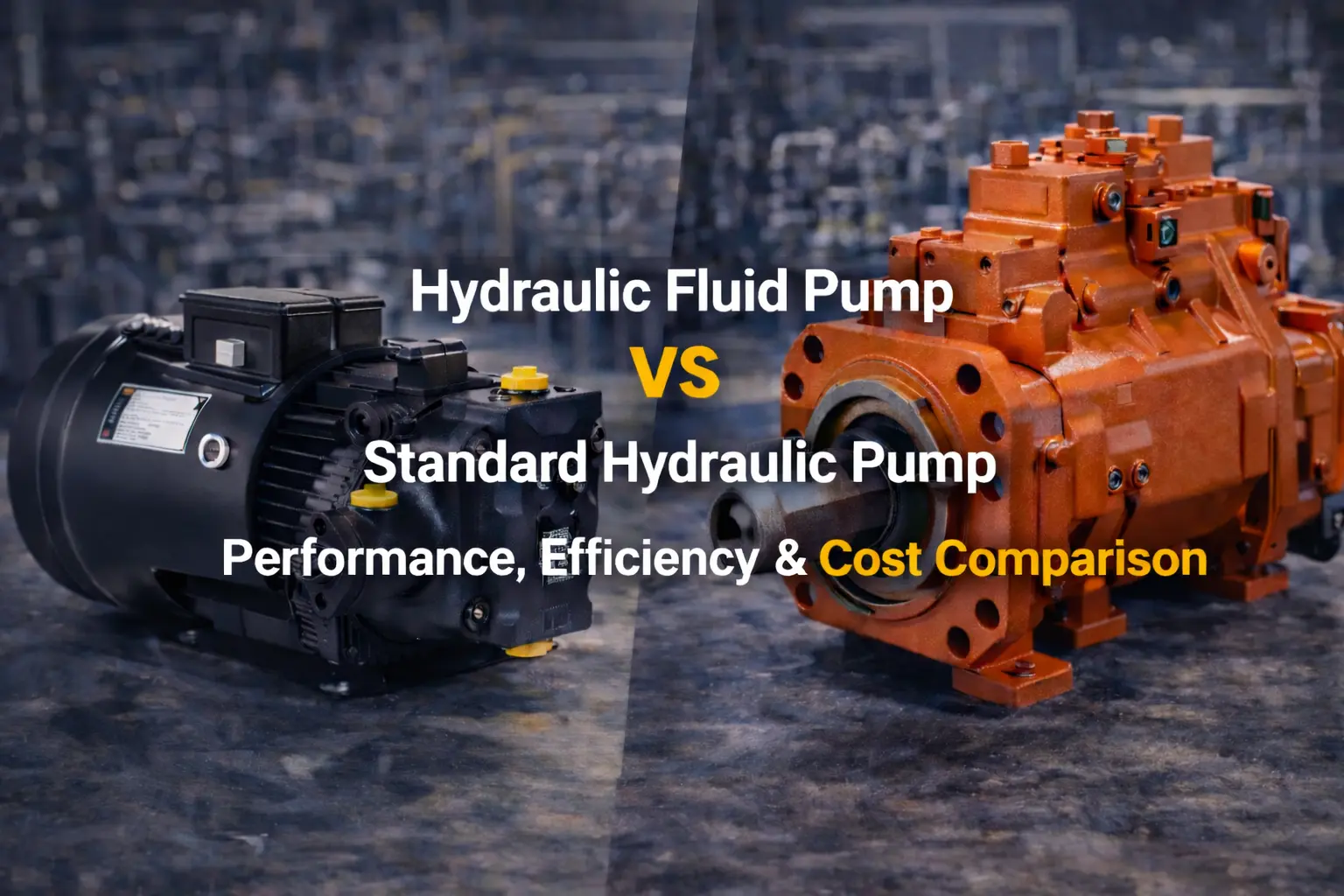
Choosing the right hydraulic pump is essential for industrial operations, construction equipment, and manufacturing machinery. But with multiple options on the market, including the hydraulic fluid pump and the traditional standard hydraulic pump, selecting the right solution can be challenging. In this article, we’ll explore hydraulic fluid pump vs standard pump, examining performance, efficiency, and cost to help you make an informed decision.
What Is a Hydraulic Fluid Pump?
A hydraulic fluid pump is a specialized device that moves hydraulic fluid within a system. It generates the force needed to power machinery, lift heavy loads, or operate complex industrial equipment. Unlike standard pumps, hydraulic fluid pumps are optimized for consistent pressure delivery, durability, and efficiency.
Key advantages include:
- Precise pressure control for sensitive machinery
- Reduced wear and tear due to optimized fluid flow
- Improved energy efficiency in large-scale operations
How Does a Standard Hydraulic Pump Differ?
While standard pumps also move hydraulic fluids, they are typically less specialized. Standard hydraulic pumps are often more basic in design, focusing on general fluid transfer rather than precision performance.
The main differences are:
- Less consistent pressure output under varying loads
- Lower efficiency in continuous operation
- Higher maintenance needs over time
This makes the comparison of hydraulic fluid pump vs standard pump essential, especially for industrial applications where performance and energy efficiency matter.
Hydraulic Fluid Pump vs Standard Pump: Performance Comparison
Performance is a crucial factor when selecting a pump. Here’s how these two types compare:
| Feature | Hydraulic Fluid Pump | Standard Hydraulic Pump |
| Pressure Consistency | High, stable pressure for precision work | Moderate, can fluctuate under heavy loads |
| Fluid Flow | Smooth, optimized for efficiency | Basic flow may cause turbulence |
| Durability | Long-lasting with reduced maintenance | Shorter lifespan under continuous heavy use |
| Application | Industrial machinery, construction, precision equipment | General fluid transfer, low-pressure systems |
From this comparison, it’s clear that hydraulic fluid pumps outperform standard pumps when performance and reliability are top priorities.
Hydraulic Pump Efficiency Comparison: Energy Matters
Energy efficiency directly impacts operational costs. Hydraulic fluid pumps are designed to minimize energy loss by maintaining optimal pressure and fluid flow. In contrast, standard pumps often consume more energy due to inconsistent performance and higher friction losses.
Efficiency benefits of hydraulic fluid pumps:
- Up to 20% energy savings in continuous operations
- Reduced heat generation, lowering the risk of system damage
- Lower overall carbon footprint due to optimized operation
This makes hydraulic pump efficiency comparison a critical factor for factories and large-scale industrial setups.
Industrial Pump Cost: Is Higher Always Better?
Cost is often the deciding factor. Industrial pump cost varies significantly between hydraulic fluid pumps and standard pumps. While hydraulic fluid pumps may have a higher upfront price, their long-term benefits often justify the investment.
Considerations include:
- Maintenance savings: Less frequent repairs reduce long-term costs
- Energy savings: Improved efficiency lowers electricity bills
- Downtime reduction: Reliable operation keeps production on schedule
Ultimately, the total cost of ownership may favor hydraulic fluid pumps despite higher initial expenses, especially in high-demand industrial environments.
Fluid Pump Performance: Which One Should You Choose?
Selecting the right pump depends on your operational needs. Every system has unique pressure requirements, and the wrong choice can lead to inefficiencies or costly downtime. Understanding your workflow and energy demands is crucial before making a decision. Ask yourself:
- Do I need precise pressure and flow for industrial machinery?
- How much maintenance can my team manage?
- What is my priority: upfront cost or long-term efficiency?
If performance, durability, and energy savings are essential, a hydraulic fluid pump is the clear winner. For less demanding applications, a standard pump may suffice, but expect higher long-term operational costs.
Advantages of Hydraulic Fluid Pumps Over Standard Pumps
Hydraulic fluid pumps are designed for high performance, efficiency, and durability, making them a superior choice over standard hydraulic pumps. Here’s why they stand out:
- Superior fluid pump performance under heavy loads
Hydraulic fluid pumps maintain consistent pressure even under demanding workloads, ensuring smooth operation and precision in industrial machinery. This reliability reduces operational interruptions and improves productivity. - Reduced energy consumption for better efficiency
These pumps are engineered to minimize energy loss, lowering electricity usage while maintaining optimal performance. Over time, this efficiency translates into significant cost savings for your business. - Longer lifespan and fewer maintenance requirements
Built with high-quality components, hydraulic fluid pumps endure heavy-duty use and require less frequent maintenance. This longevity reduces downtime, saving both time and money on repairs. - Ideal for industrial and high-pressure applications
Whether it’s manufacturing, construction, or specialized machinery, hydraulic fluid pumps handle high-pressure environments with ease, making them suitable for a wide range of industrial needs. - Lower risk of system failures and downtime
Consistent performance and durable design minimize the chances of unexpected breakdowns, keeping your operations running smoothly and efficiently. - Enhanced precision and control
Unlike standard pumps, hydraulic fluid pumps offer precise control over flow rates and pressure, which is crucial for sensitive machinery and applications requiring accuracy. - Better adaptability to modern systems
These pumps are compatible with advanced industrial setups, supporting automation, smart monitoring, and energy-efficient technologies that older standard pumps may not handle.
In short, investing in a hydraulic fluid pump not only improves fluid pump performance but also enhances efficiency, reliability, and overall operational success.
Conclusion
Choosing the right pump can significantly impact your operations, energy bills, and maintenance requirements. When comparing hydraulic fluid pumps vs standard pumps, it becomes clear that hydraulic fluid pumps offer superior performance, energy efficiency, and long-term cost savings.
For industries where precision, durability, and efficiency matter, investing in a hydraulic fluid pump is a smart, long-term decision.
“Upgrade your machinery with THM Huade today. Get the performance and reliability your industrial operations deserve.”
FAQs
How does hydraulic pump efficiency comparison impact costs?
Efficient hydraulic fluid pumps reduce electricity usage, minimize maintenance expenses, and increase equipment lifespan, making them cost-effective for long-term industrial operations.
Are hydraulic fluid pumps more expensive than standard pumps?
Yes, hydraulic fluid pumps often have higher upfront costs, but energy savings, durability, and reduced maintenance make them more cost-efficient over time.
Can standard hydraulic pumps handle heavy industrial workloads?
Standard pumps may function under moderate workloads, but their inconsistent pressure and lower efficiency make them less suitable for high-demand industrial operations.
How do I choose between a hydraulic fluid pump vs standard pump?
Consider performance, efficiency, maintenance, and total ownership costs. Hydraulic fluid pumps excel in reliability and energy savings, while standard pumps suit simple, low-pressure applications.