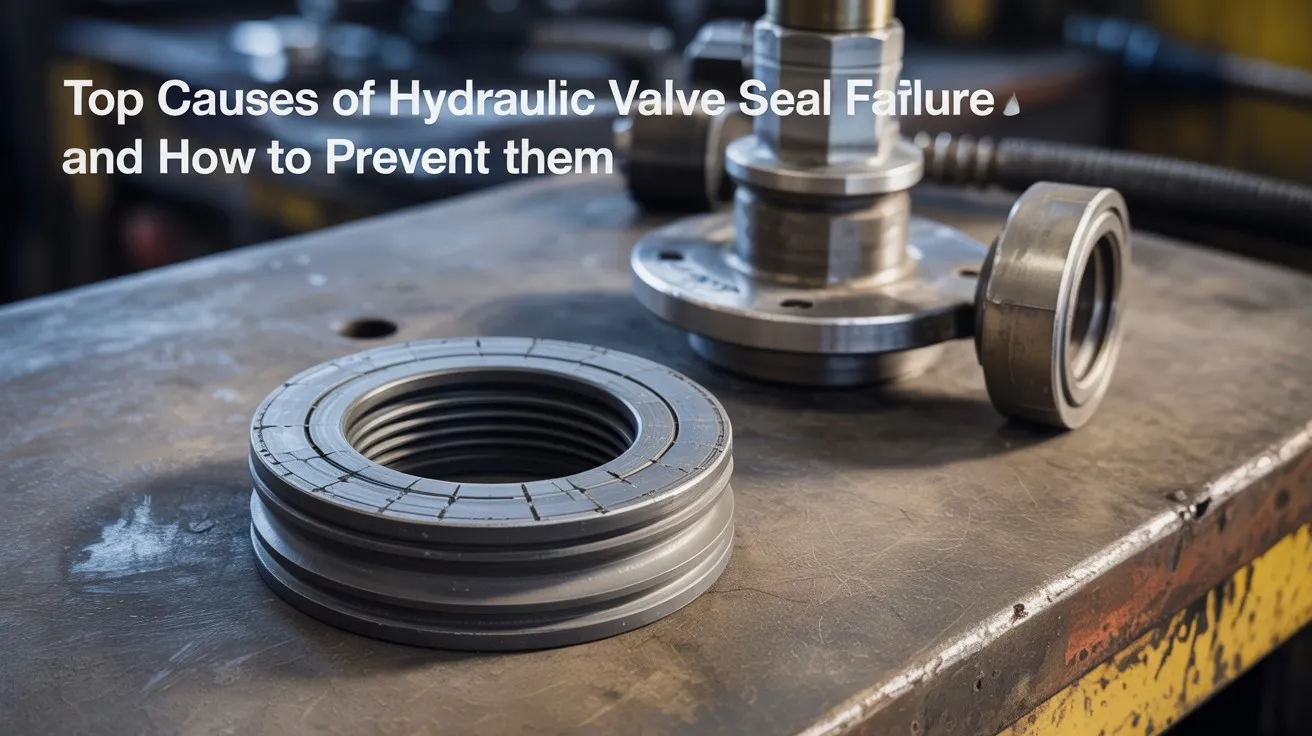
A hydraulic valve seal plays a critical role in maintaining stable pressure and preventing system leaks. When it fails, productivity drops, downtime increases, and repair costs rise fast. In the USA, industrial facilities depend on durable sealing solutions. Therefore, understanding failure patterns helps extend equipment life and avoid expensive breakdowns. This guide also explores hydraulic seal types, valve seal failure triggers, and a practical seal replacement guide to help you keep your system running smoothly.
How Different Hydraulic Seal Types Influence Performance
Hydraulic systems rely on several hydraulic seal types, and each reacts differently to pressure, motion, heat, and fluid exposure. Choosing the wrong seal increases the risk of valve seal failure, especially under long-duty cycles. Additionally, industrial hydraulic seals must match operating conditions such as temperature ranges and fluid compatibility.
Different material options, like polyurethane, PTFE, and nitrile, offer unique resistance levels. For example, PTFE works well in high-temperature environments. However, polyurethane performs better in high-pressure mobile applications. Understanding these differences helps prevent premature failures. As a result, system efficiency improves, and maintenance costs drop.
What are the Top Causes of Hydraulic Valve Seal Failure?
1. Excessive Heat and Temperature Fluctuations
Heat is a major driver of hydraulic valve seal deterioration. Seals harden or crack when exposed to temperatures beyond their material limits. Additionally, rapid temperature swings cause expansion and contraction, leading to seal deformation. When this happens, leaks form and performance declines. Preventing heat exposure requires proper cooling and routine system checks.
2. Contamination in Hydraulic Fluids
Contaminants like dirt, metal shavings, and moisture damage both industrial hydraulic seals and surrounding components. These particles scratch seal surfaces and compromise flexibility. Therefore, consistent filtration and timely fluid changes help reduce wear. Clean fluids also extend seal life and improve overall system reliability.
3. Poor Installation Techniques
Incorrect installation remains a frequent cause of valve seal failure. Seals stretch, twist, or tear when installed with improper tools. Even a small misalignment creates immediate leakage risks. Always follow a trusted seal replacement guide and ensure technicians use proper methods. A short training session often prevents costly mistakes.
4. Chemical Incompatibility
Hydraulic systems use different fluid formulations. Some contain additives that react negatively with certain seal materials. As a result, seals swell, soften, or lose shape. Always verify chemical compatibility before choosing a seal. Manufacturers usually provide compatibility charts to help you select the right option for your application.
5. Excessive System Pressure
When pressure exceeds what the hydraulic valve seal can manage, extrusion occurs. The seal distorts and gets pushed into gaps around the valve components. Over time, this worsens until a complete seal blowout happens. To avoid this, calibrate relief valves and monitor pressure spikes. Additionally, ensure your seal selection aligns with peak operating pressures.
6. Improper Storage and Handling
Even unused seals fail early when stored incorrectly. Heat, UV exposure, and moisture degrade soft materials. To prevent this, store industrial hydraulic seals in a cool, dry space away from direct sunlight. Proper packaging and inventory rotation further extend their shelf life.
What are the Preventive Measures to Avoid Valve Seal Failure
Choose the Right Seal for the Application
Always compare hydraulic seal types before purchasing. Evaluate system temperature, pressure, and fluid type. For example, a snow-removal vehicle in northern USA states requires cold-resistant seals. In contrast, manufacturing plants may need seals resistant to synthetic fluids. Selecting the correct seal helps reduce valve seal failure incidents significantly.
Follow a Detailed Seal Replacement Guide
A reliable seal replacement guide ensures every installation happens correctly. It should include steps such as part inspection, lubrication requirements, and torque recommendations. Additionally, technicians must avoid sharp tools that could damage seal edges. Proper installation boosts seal longevity and reduces downtime.
Improve Filtration and Routine Maintenance
Clean hydraulic fluid improves seal durability. Therefore, use high-quality filters and monitor them regularly. Inspect pumps, valves, and hoses as part of scheduled maintenance. When small issues appear, address them quickly to prevent larger failures.
Monitor Operating Conditions Continuously
Advanced sensors make it easier to track pressure, temperature, and flow. These diagnostics alert operators before hydraulic valve seal issues escalate. Real-time monitoring protects the system and minimizes unplanned shutdowns.
The Role of Industrial Hydraulic Seals in System Reliability
Industrial hydraulic seals keep machines productive. They protect equipment from contamination and help maintain steady pressure. Their role becomes even more important in industries like aerospace, construction, and manufacturing. A premium-quality seal reduces repairs and supports longer system life. Because of this, companies that invest in the right sealing solutions often experience higher operational efficiency.
Conclusion
Preventing hydraulic valve seal failure starts with selecting the right materials, following proper installation steps, and maintaining clean hydraulic fluids. When you understand how hydraulic seal types, pressure changes, and contamination affect performance, you can reduce leaks and extend equipment life. With the right care, your hydraulic system operates longer, safer, and more efficiently.
Strengthen your hydraulic system with THM Huade’s industry-leading components. From rugged pumps to reliable valve seals, we deliver performance that lasts. Start improving your operations now.
FAQs
2. How often should industrial hydraulic seals be inspected?
Inspect seals during every maintenance cycle. This prevents early wear from going unnoticed and reduces unplanned equipment downtime.
3. Which hydraulic seal types work best for high-pressure systems?
Polyurethane and PTFE seals perform well in high-pressure environments. They resist deformation and maintain sealing integrity under heavy loads.
4. Can following a seal replacement guide improve system reliability?
Yes. A proper guide helps technicians avoid common installation errors, ensuring seals fit correctly and perform at peak efficiency.
5. How can I extend the lifespan of my hydraulic valve seals?
You can extend seal life by choosing compatible materials, maintaining clean fluids, monitoring temperature, and following a proper seal replacement guide during installation.