In today’s fast-moving industrial and mobile markets, selecting the right equipment matters. A small hydraulic pump offers the perfect choice for compact applications. Choosing the right hydraulic fluid pump is key. Whether it’s for a small machine or small hydraulic motors, your decision matters a lot.
What Makes the Small Hydraulic Pump Critical in Compact Systems?
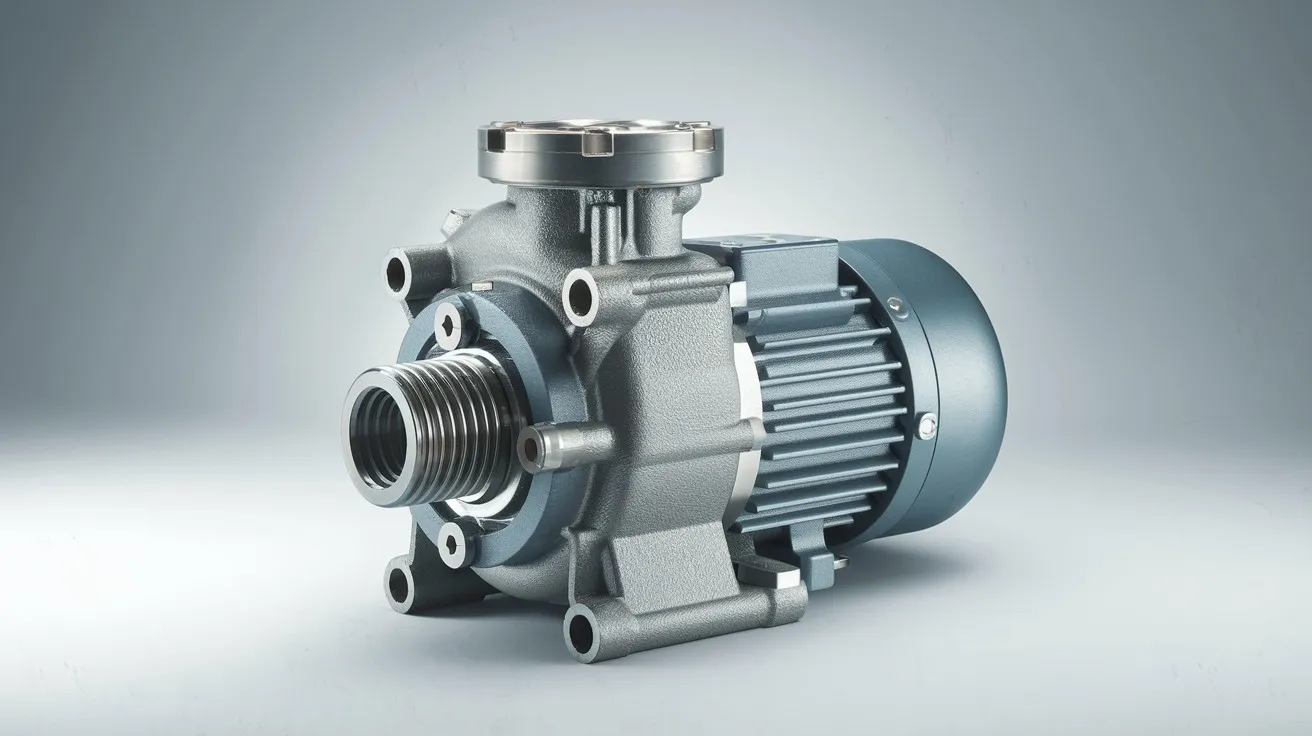
Choosing a small hydraulic pump means you benefit from size, efficiency, and flexibility. First, these pumps help you fit into restricted spaces without sacrificing performance. A good hydraulic fluid pump works with small hydraulic motors. It provides smooth, controlled movement within the system. A small hydraulic pump reduces excess weight and heat. This is key for mobile use or tight spaces.
For a compact system needing strong power, a small hydraulic pump is key. It ensures both performance and reliability.
What are the Core Components of Hydraulic Fluid Pump & Small Hydraulic Motors?
Before checking the selection guidelines, understand how hydraulic fluid pumps connect to small hydraulic motors. A hydraulic fluid pump is the component that moves hydraulic oil through your system.
It sets the flow and supports the pressure required. Small hydraulic motors convert that hydraulic energy (flow + pressure) into rotary motion. Together, with your small hydraulic pump, they form a compact power unit.
When picking a small hydraulic pump, make sure it fits your hydraulic fluid design. Also, ensure it meets the flow and pressure needed for your small hydraulic motors. For example, if the motors need high pressure and a moderate flow, your pump has to meet those demands. It shouldn’t be too large.
How To Select a Small Hydraulic Pump
1. Flow Rate & Pressure Compatibility
Your small hydraulic pump needs to match the system’s flow (liters per minute or gpm) and pressure. Under-sizing means the system will underperform; over-sizing means wasted energy and cost. Pump output should provide enough flow to overcome the system load pressure, as industry guidelines suggest.
2. Compact Size, Weight & Installation Constraints
When picking a small hydraulic pump for tight spaces, size and weight are important. Smaller sizes and lighter builds make installation easy. This is great for mobile machines, robotics, or tight spaces in machinery. Some mini hydraulic power units deliver high pressure (over 200 bar) in very small frames.
3. Efficiency & Heat Management
A small hydraulic pump can quickly produce heat if it’s inefficient. Choose pumps with high volumetric and mechanical efficiency. Also, check for proper cooling or reservoir design. Make sure they match the hydraulic fluid pump specifications. Efficiency keeps the system cooler, quieter, and longer-lasting.
4. Compatibility with the Hydraulic Fluid & Seals
Make sure the pump is compatible with the hydraulic fluid type. It could be mineral oil, synthetic, or water-glycol. Compatibility is key. Evaluate seals and materials for durability. This is key in compact systems where service access might be limited.
5. Matching Small Hydraulic Motors & System Layout
Your small hydraulic pump needs to work well with the small hydraulic motors you plan to use. The tubing, fittings, relief valves, return line, and reservoir must be the right size for flow and pressure. A mismatch means poor performance or premature wear.
6. Maintenance Access & Reliability
Compact systems often make maintenance access difficult. Choose a small hydraulic pump with proven reliability, simple maintenance, and accessible filters. Because compact machines tend to operate in tight spaces, any downtime or leak can be costly.
What are the Benefits of Using a Small Hydraulic Pump?
- Compact design: A small hydraulic pump fits into tight spaces. This allows for better and more efficient machine layouts.
- Better responsiveness: The system now flows and exerts optimal pressure for the task. This means it responds more effectively and uses less energy.
- Reduced weight: Less weight means lower structural demands and often lower power consumption.
- Smoother system integration: The right hydraulic fluid pump parts and small hydraulic motors help make design and control easier.
- Cost savings: By choosing only what you need, you avoid over-specifying the pump. This way, you don’t pay for extra capacity you won’t use.
What are the Small Hydraulic Pump Applications
- Mobile equipment such as compact loaders, aerial lifts, or small diggers
- Robotics, automation arms, and materials handling systems
- Agricultural machines with space limitations
- Aerospace and light-weight vehicles requiring hydraulic actuators
- Retrofits in older machines where replacing a large pump isn’t feasible
Choosing the right small hydraulic pump is key. It helps the hydraulic fluid pump work efficiently. This also allows small hydraulic motors to provide steady motion.
What are the Mistakes to Avoid When Choosing a Small Hydraulic Pump?
- Selecting based on size only: Don’t choose the smallest pump. Check the flow and pressure specs first.
- Ignoring motor demands: Even small hydraulic motors need the right flow and pressure. So, your pump must match these requirements.
- Mismatch of fluid type: Using the wrong hydraulic fluid or seals can lead to failures.
- Overlooking cooling: Compact systems can overheat; ensure the pump/reservoir can manage heat.
- Neglecting future expansion can be costly: If you plan to add features later, choose a small hydraulic pump with extra capacity.
Final Checklist Before Purchase
- Identify required flow (in LPM or GPM) and system pressure (bar or PSI).
- Confirm the hydraulic fluid type, temperature range, and reservoir volume.
- Check integration like pumps, tubing, valves, and small hydraulic motors.
- Ensure size, mounting, and weight are compatible with your machine.
- Verify efficiency, cooling, maintenance access, and reliability.
- Consider spare parts availability and service networks in the USA.
Conclusion
Choosing the right small hydraulic pump for compact applications goes beyond size. Consider flow, pressure, and fluid compatibility. Also, think about how it fits with your hydraulic system. Plus, think about the needs of your small hydraulic motors.
When done right, you create a strong, efficient system. It saves space and fits modern needs in the USA.
Looking for reliable hydraulic solutions? Choose THM Huade for high-performance small hydraulic pumps and motors built for precision and durability.
FAQs
Q2: Can a small hydraulic pump handle high pressure?
Yes, many modern small hydraulic pumps can operate at high pressures (200 bar+). However, you must still match the flow rate and duty cycle.
Q4: Are small hydraulic pumps suitable for both linear actuators and small hydraulic motors?
Absolutely. The small hydraulic pump meets the flow and pressure needs of actuators and small hydraulic motors. It works well for both types of motion.
Q5: How often should we maintain the small hydraulic pump system?
Maintenance frequency depends on duty cycle, environment, and usage.
Frequent checks for:
- Fluid contamination
- Temperature
- Seal wear
- Pump performance
This is important for maintaining efficiency. This ensures reliability.