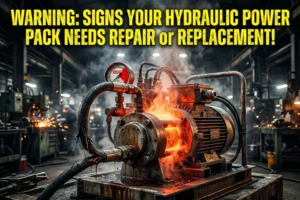
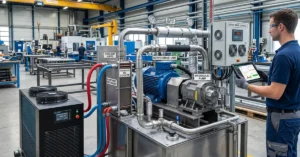
One of the most common problems of industrial hydraulic systems is piston pump overheating, which can rapidly decrease the efficiency, cause expensive downtime, or even the total failure of the pump. Overheating should not be disregarded whether you are using high pressure piston pump or variable displacement piston pump. It usually shows underlying issues of the piston pumps that require urgent repair.
Poor maintenance, improper system configuration or overloading are the reasons behind the overheating of hydraulic pumps in most instances. Otherwise, internal parts may be damaged severely, and the consequences have to be mitigated in the initial stages.
In this blog, we explain the causes of pump overheating and provide solutions to help your industrial piston pump last longer and work efficiently.
How Overheating Affects Piston Pumps
Overheating of the pump leads to decreased performance of the pump and internal damages begin to form. Friction, pressure, or low quality of fluid is likely to result in heat buildup.
- Normal Effects of Overheating.
- Less effectiveness of the hydraulic system.
- Greater wear of internal parts.
- Degradation and pollution of oil.
- Seal and gasket damage
- Cause of risk of complete hydraulic pump failure.
Models like A4VSO250 and A11VO130 are designed for high performance, but even these can be affected if overheating is ignored.
Main Causes of Piston Pump Overheating
Knowledge of the actual reasons that have contributed to the overheating of the piston pumps would be useful in addressing the problem promptly.
1. Low Hydraulic Oil Level
Lack of enough oil lowers lubrication and cooling in the pump. This results in friction and heat energy.
2. Contaminated Hydraulic Fluid
Oil that is dirty or degraded increases internal resistance. This is one of the causes of pump overheating in the long run.
3. Excessive System Pressure
Operating a high pressure piston pump at excessive speeds causes additional load and heat.
4. Poor Ventilation
There should be airflow in hydraulic systems. In its absence, the heat is unable to escape effectively.
5. Worn Internal Components
Bent seals or pistons create friction and this leads to overheating.
6. Incorrect Pump Selection
Hydraulic pump overheating may be common when a wrong pump is used in the application.
How to Fix Overheating Pump Issues
When your pump is already over heating, then you are to take immediate action to save your pump.
Effective Solutions:
Check and Maintain Oil Level
Make sure that the hydraulic oil is of the right quality.
Replace Contaminated Fluid
To minimize internal friction, clean or replace oil.
Reduce System Load
Do not use the pump when it is overloaded.
Examine Internal Components
Look at wear and change worn parts.
Improve Cooling System
Make sure that it is well-ventilated or add extra cooling where necessary.
These measures assist in resolving the solutions to fix the problem of overheating pumps.
Preventing Piston Pump Overheating
Prevention will guarantee your performance of your industrial piston pump over a long period.
Prevention Tips:
- Routine servicing of models such as A4VSO125.
- High quality oil to be used in A11VO190 systems.
- Check temperature in A2FM series pumps.
- Keep the right amount of pressure.
- Proper installation is ensured.
Correct maintenance is one of the ways of prolonging the service life of long life solutions of hydraulic pumps.
Choosing the Right Piston Pump for Your System
The appropriate choice of the model minimizes the risk of overheating.
Key Selection Tips:
Match Pump Type with Application
Select variable displacement piston pump models such as A11VO series in order to have flexible operations.
Check Pressure Rating
Such models as A4VSO series are suitable in cases of high pressure.
Evaluate Cost vs Quality
Create a comparison of the axial piston pump price but emphasize on durability.
Choose Trusted Suppliers
Find good hydraulic piston pump to sell on reputable brands.
Signs Your Piston Pump Is Overheating
Major damage is prevented through early detection.
- Warning Signs
- Unusual noise from the pump
- Overheat on pump surface.
- Drop in system performance
- Oil discoloration
- Increased vibration
These symptoms cannot be overlooked because they show potential causes of hydraulic pump failure.
Conclusion
Overheating of piston pumps is a severe problem that must not be overlooked in the industrial systems. Even high performance models such as the A4VSO and the A11VO series may break down in case they are not maintained. Knowing the reasons and using the preventive actions will allow you to secure your equipment and provide the long term performance.
The selection of the industrial piston pump, the correct quality of the oil, and the control of the state of the systems are the main points of preventing the overheating issues.
To offer credible and long lasting hydraulic systems, THM Huade offers a model of high-efficiency pumps that are proved in the industry.
Upgrade your hydraulic system with reliable piston pump solutions. Contact us THM expert team.
FAQ’s
Q1. Why is my piston pump overheating during operation?
Piston pump tends to overheat because of the overload, or lack of hydro-oil, lack of cooling as well as internal wear. All these circumstances augment friction and heat within the pump.
Q2. What are the common causes of hydraulic piston pump overheating?
The most frequent ones are oil contamination, operating pressure, depleted fluids, clogged filters, and damaged parts. These problems decrease productivity and enhance heat production.
Q3. How can I fix an overheating piston pump quickly?
Check the quality and the level of oil in the system, lower the load on the system, clean or replace filters, and check inner components. Timely intervention will save severe destruction.
Q4. Can low hydraulic fluid cause piston pump overheating?
Yes, when the hydraulic fluid is low, the lubrication and cooling are low and this results into high friction and heat accumulation within the pump.
Q5. What temperature is too high for a piston pump?
As a rule, temperatures exceeding 60-70degC are not friendly, because they can destroy seals, decrease the effectiveness of oil and make the pumps less durable.
Q6. How often should I maintain a piston pump to prevent overheating?
Maintenance should be performed on a regular basis after every few months or on use such as checking of oil, cleaning filters, and checking of the system to prevent any cases of overheating.