Precision is the backbone of modern industrial systems. Whether you’re managing automation lines, hydraulic machinery, or advanced manufacturing equipment, accurate linear measurement directly affects performance, safety, and efficiency. That’s where the inductive linear position sensor becomes indispensable.
But with so many options on the market, how do you confidently select the right sensor for your application? This guide walks you through everything you need to know about selecting linear position sensors, helping U.S. industries achieve reliable, high-accuracy results without unnecessary complexity.
What Is an Inductive Linear Position Sensor and Why Does It Matter?
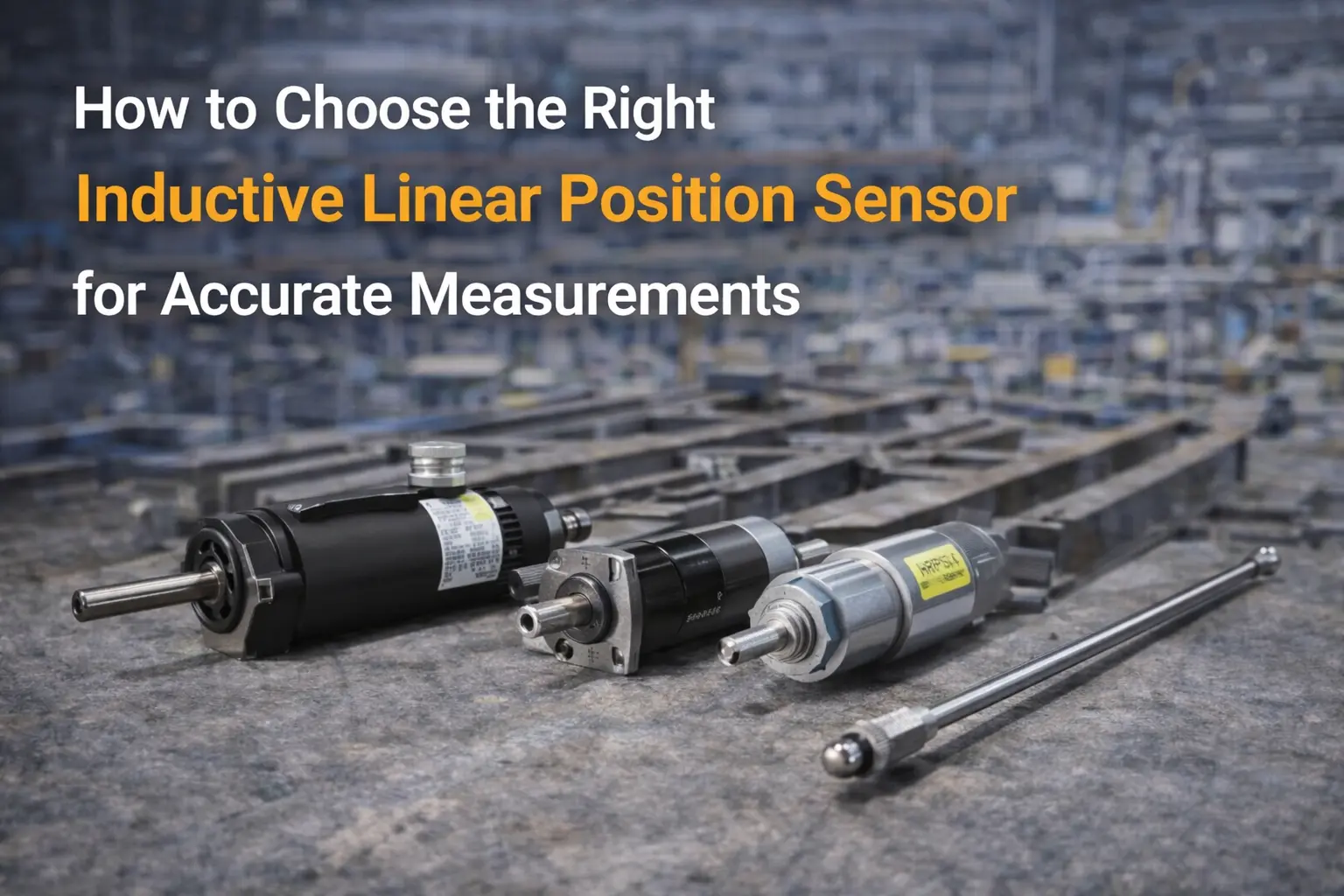
An inductive linear position sensor is a non-contact measurement device that determines the position of a moving object using electromagnetic induction. Unlike contact-based sensors, it delivers highly stable, repeatable data even in harsh industrial environments.
These sensors are widely used in manufacturing, automation, aerospace, and heavy machinery because they offer:
- Exceptional measurement accuracy
- High resistance to dust, vibration, and moisture
- Long operational life with minimal maintenance
If accurate positioning is mission-critical, an industrial position sensor built on inductive technology is often the best choice.
How Does an Inductive Linear Position Sensor Work?
Inductive sensors operate by generating an electromagnetic field and detecting changes in the field caused by a moving conductive target. As the target shifts position, the sensor converts these changes into precise electrical signals.
This contactless design eliminates mechanical wear, ensuring accurate linear measurement over extended operational cycles, especially important for high-duty industrial applications.
Why Should You Choose an Inductive Linear Position Sensor Over Other Technologies?
When comparing sensor technologies, inductive systems stand out for their reliability and precision, especially in demanding industrial environments. Their non-contact design ensures consistent performance, minimal wear, and long-term measurement stability.
Key Advantages Include:
- Non-contact operation for a longer lifespan
- Consistent performance in temperature extremes
- Immunity to contaminants like oil, dust, and metal shavings
- Stable signal output with minimal drift
For U.S. manufacturers focused on efficiency and uptime, inductive sensors offer a premium, dependable solution.
What Are the Different Inductive Linear Sensor Types?
Understanding inductive linear sensor types is essential for choosing the right model because each type is designed for specific measurement ranges and applications.
Common Types Include:
- Short-range inductive sensors for compact systems
- Long-range sensors for heavy machinery and automation lines
- Rod-style sensors for hydraulic and pneumatic cylinders
- Profile sensors for space-constrained installations
Each type supports different measurement lengths, mounting styles, and environmental tolerances, making selection a critical step.
How Do You Determine the Right Measurement Range?
The measurement range defines how far the sensor can accurately track movement. Choosing the correct range ensures both precision and durability.
Selection Tips:
- Measure maximum travel distance precisely
- Avoid oversizing, which may reduce resolution
- Consider future system expansions
Proper linear position sensor selection always balances range with accuracy for optimal performance.
Why Is Accuracy Critical in Industrial Applications?
Accuracy is essential, not optional. Even small measurement inaccuracies can lead to product defects, reduced machine efficiency, and potential safety hazards.
An inductive linear position sensor provides highly repeatable readings, making it ideal for:
- CNC machining
- Robotics and automation
- Assembly lines
- Quality control systems
When tolerances are tight, accurate linear measurement protects both productivity and reputation.
How Does the Operating Environment Affect Sensor Selection?
Industrial environments in the USA vary widely, from clean production floors to extreme outdoor settings. Temperature fluctuations, moisture, dust, vibration, and chemical exposure can all impact sensor performance. Choosing a rugged, well-protected sensor ensures reliable operation across these diverse conditions.
Environmental Factors to Consider:
- Temperature fluctuations
- Exposure to oils, water, or chemicals
- Mechanical vibration and shock
- Electromagnetic interference
A rugged industrial position sensor with proper sealing and shielding ensures uninterrupted performance regardless of conditions.
What Output Signals and Interfaces Should You Choose?
Most inductive sensors offer analog or digital outputs that integrate seamlessly with control systems. This flexibility enables easy connection to PLCs, controllers, and automation platforms for stable, accurate data transmission.
Common Options Include:
- Analog outputs (0–10V, 4–20mA)
- Digital interfaces for PLC integration
- High-resolution feedback for motion control
Matching the output type with your system ensures smooth communication and accurate data processing.
How Important Is Installation and Mounting Style?
Even the best sensor won’t perform well if installed incorrectly. Choose a sensor designed for your mounting constraints.
Best Practices:
- Confirm available installation space
- Use manufacturer-recommended alignment
- Avoid mechanical stress on the sensor body
Thoughtful installation enhances measurement stability and extends sensor life by reducing mechanical stress and alignment errors. Proper mounting also ensures consistent signal output and long-term measurement accuracy.
How Can You Ensure Long-Term Reliability and ROI?
Selecting a premium inductive linear position sensor is an investment in long-term performance, reliability, and measurement accuracy. It helps reduce maintenance costs, minimize downtime, and deliver consistent results over time.
Look for:
- Proven manufacturer reputation
- Strong U.S. technical support
- Certifications for industrial compliance
- Extended operational life
Reliable sensors minimize downtime, cut maintenance expenses, and provide a clear return on investment through consistent, accurate performance over the long term.
Conclusion
Choosing the right inductive linear position sensor ensures accurate measurements, reliable performance, and long-term efficiency in industrial applications. The right selection improves system precision, reduces downtime, and supports consistent operational success
For trusted accuracy and durability, choose THM Huade. Contact THM Huade today for expert support and high-quality inductive linear position sensor solutions built for demanding industrial environments.
FAQs
How do inductive linear sensor types differ from one another?
Inductive linear sensor types vary by measurement range, mounting style, and application focus, allowing engineers to match sensor design with system size, accuracy requirements, and environmental conditions.
Why is linear position sensor selection so important?
Proper linear position sensor selection ensures accuracy, system compatibility, and long-term reliability, preventing costly downtime, measurement errors, and premature sensor failure in industrial applications.
Are inductive linear position sensors suitable for harsh environments?
Yes, inductive linear position sensors are designed to withstand dust, vibration, moisture, and temperature extremes, making them ideal industrial position sensors for challenging operational environments.
How do inductive sensors support accurate linear measurement?
Inductive sensors provide accurate linear measurement through non-contact electromagnetic technology, eliminating mechanical wear while delivering stable, repeatable data over long operational lifecycles.