Selecting the right small hydraulic pump is crucial for optimal performance, efficiency, and long-term reliability. However, with many options available, making the correct decision can feel overwhelming.
This guide explains the specifications of small hydraulic pumps, the price of mini hydraulic pumps, and the selection factors for compact hydraulic pumps. It helps buyers choose the right small industrial hydraulic pump for their application. Whether for manufacturing, agriculture, or mobile equipment, this guide delivers clarity.
What is a Small Hydraulic Pump
A small hydraulic pump converts mechanical energy into hydraulic energy. It powers systems that require controlled fluid movement under pressure. Because of its compact size, it fits applications with limited space.
Moreover, these pumps offer precise control and dependable output. Therefore, they are widely used in industrial and mobile systems across the USA.
When buyers understand how pumps work, selection becomes easier. That knowledge also helps prevent overpaying or underperforming.
Small Hydraulic Pump Specifications That Matter Most
Understanding small hydraulic pump specifications is critical before purchasing. These details directly impact system efficiency and lifespan.
Flow Rate and Pressure Capacity
Flow rate is the volume of hydraulic fluid that moves per minute. Higher flow supports faster operation. Pressure rating, however, defines the pump’s power limit.
Therefore, always match flow and pressure to system demands. Oversizing increases cost, while undersizing reduces performance.
Pump Type and Design
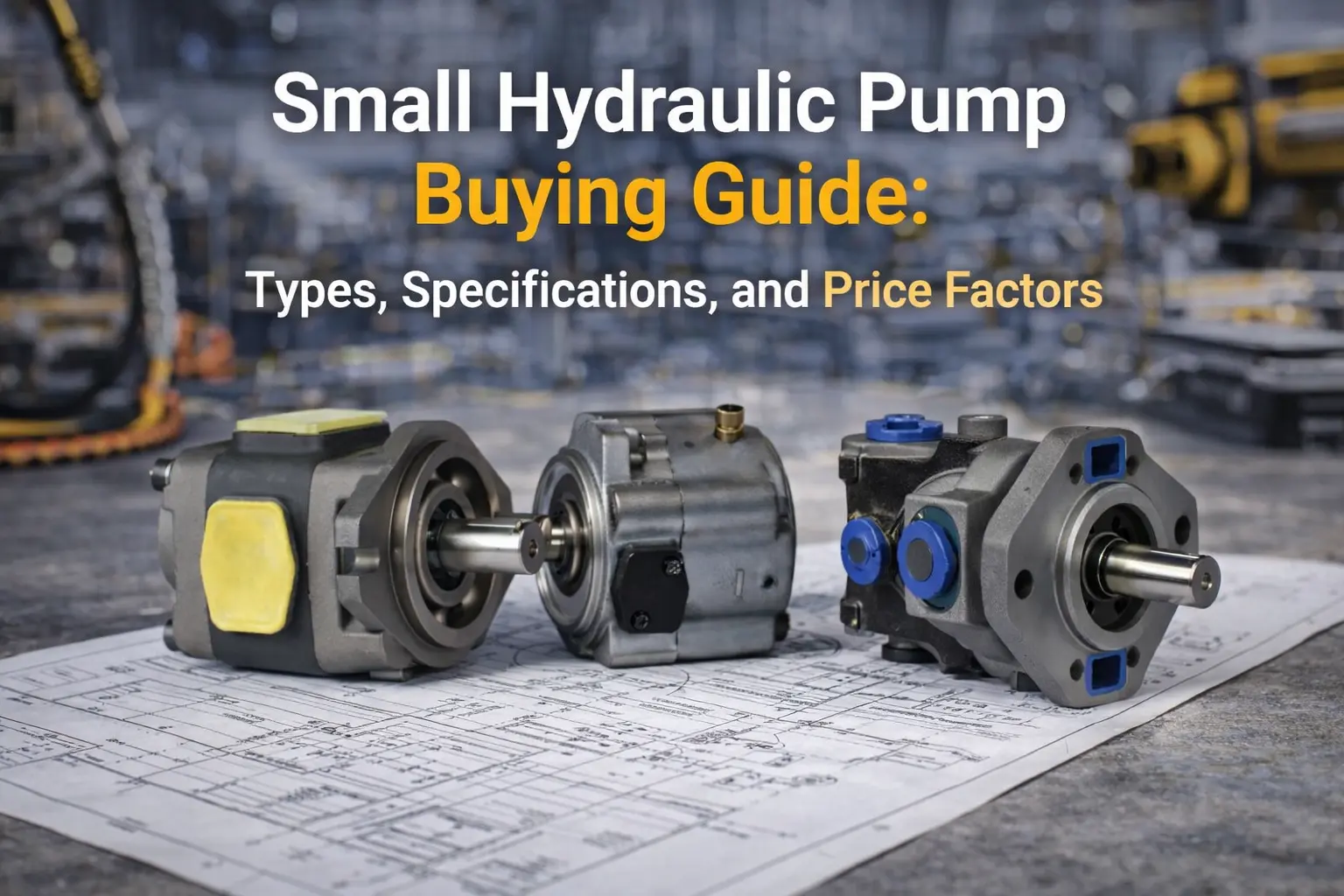
Common designs include gear, vane, and piston pumps. Gear pumps are simple and affordable. Piston pumps offer higher efficiency and pressure control.
Each design impacts compact hydraulic pump selection differently. As a result, application requirements should guide the choice.
Material and Durability
Housing materials influence durability and wear resistance. Cast iron offers strength. Aluminum reduces weight.
For harsh environments, durability should never be compromised. This is especially true for an industrial small hydraulic pump.
Types of Small Hydraulic Pumps Available
Several pump types serve different use cases. Selecting the right type ensures system compatibility and efficiency.
Gear Pumps
Gear pumps are common in compact systems. They are affordable, easy to maintain, and reliable. Because of their simplicity, they dominate the mini hydraulic pump price range for budget-conscious buyers.
Vane Pumps
Vane pumps provide smoother flow and quieter operation. They suit applications needing consistent pressure. Although more expensive, they improve efficiency and reduce vibration.
Piston Pumps
Piston pumps deliver high pressure and superior control. They are ideal for heavy-duty applications.
Therefore, they are often used as an industrial small hydraulic pump despite the higher costs.
Compact Hydraulic Pump Selection: How to Choose the Right
Effective compact hydraulic pump selection requires balancing performance, space, and budget.
Application Requirements
First, define the application. Industrial machinery, mobile equipment, and agricultural systems all differ.
Therefore, system pressure, duty cycle, and environmental exposure must guide decisions.
Space and Mounting Constraints
Small equipment requires precise sizing. Compact dimensions allow flexible installation. Mounting options affect system design. Always check compatibility before purchase.
Efficiency and Noise Levels
Efficient pumps reduce energy consumption. Lower noise improves workplace comfort. For indoor or precision environments, this factor matters significantly.
Mini Hydraulic Pump Price: What Influences Cost
The mini hydraulic pump price varies widely depending on several factors.
Pump Type and Technology
Advanced designs cost more. Piston pumps command premium pricing. However, gear pumps remain cost-effective and reliable.
Material Quality and Brand Reputation
High-quality materials increase durability. Reputable brands ensure consistency and warranty support. Although upfront costs rise, long-term value improves.
Customization and Compliance
Custom fittings and certifications add to pricing. In the USA, compliance with industry standards often increases cost. Nevertheless, compliance protects system safety and reliability.
Why Industrial Small Hydraulic Pumps Cost More
An industrial small hydraulic pump handles demanding workloads. It must perform continuously under pressure.
Therefore, these pumps use stronger materials and advanced engineering. They also undergo rigorous testing.
While pricing is higher, the reduction in downtime and longevity justify the investment.
Maintenance and Longevity Considerations
Proper maintenance extends pump life. Regular inspections prevent unexpected failures.
Using clean hydraulic fluid protects internal components. Following manufacturer guidelines ensures optimal operation.
As a result, buyers maximize return on investment.
Final Thoughts
Selecting the right small hydraulic pump requires understanding specifications, pricing, and application needs. When buyers focus on performance, efficiency, and durability, long-term success follows.
Whether evaluating small hydraulic pump specifications, comparing mini hydraulic pump prices, or refining compact hydraulic pump selection, informed decisions reduce risk. For heavy-duty needs, an industrial small hydraulic pump remains the best option.
Power your systems with confidence using THM Huade hydraulic solutions. Get precision-engineered performance, proven reliability, and expert support tailored to your application.
Contact THM Huade today to find the right hydraulic solution for your needs.
Frequently Asked Questions
How do small hydraulic pump specifications affect performance?
Specifications such as flow rate, pressure rating, and material quality directly affect system efficiency. Matching small hydraulic pump specifications to application demands prevents overheating, energy waste, and premature wear.
What is the average mini hydraulic pump price in the USA?
The mini hydraulic pump price in the USA ranges from budget gear pumps to premium piston models. Pricing depends on design, materials, brand reputation, and compliance requirements.
How do I approach compact hydraulic pump selection?
Effective compact hydraulic pump selection starts with defining system needs. Consider space constraints, efficiency requirements, noise levels, and long-term operating costs before choosing a pump.
What factors should I consider before buying a small hydraulic pump?
Before purchasing a small hydraulic pump, consider flow rate, pressure requirements, application type, space limitations, and budget. Evaluating these factors ensures optimal performance, efficiency, and long-term reliability for your system.