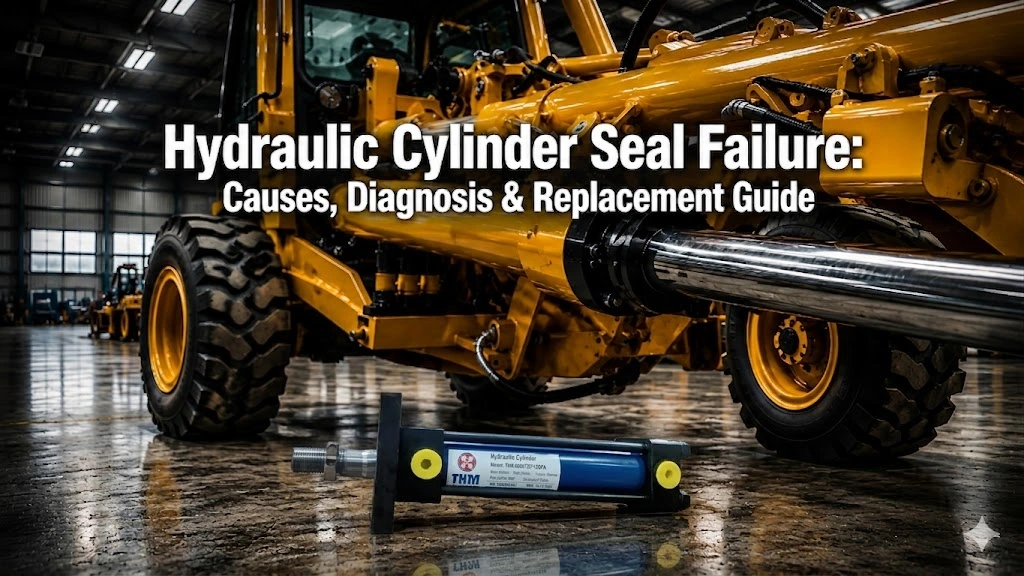
The most common problem faced by the manufacturers and industrial business in India is hydraulic cylinder seal failure. A seal that is damaged can seem like a minor problem at first, but can result in oil leakage, loss of pressure, machine downtime and costly repairs. For industries that have hydraulic systems operating all day, long, any leakage in the system can have an impact on productivity and operational efficiency.
In any piece of construction machinery, factory automation machinery or other industrial machinery, each hydraulic cylinder needs to be equipped with a reliable seal, and the performance of the hydraulic cylinder is closely related to the performance of the seal. Businesses can save on maintenance costs and prolong the lifespan of their equipment by knowing the reasons for these failures, the warning signs and the correct replacement process for hydraulic seals.
What is Hydraulic Cylinder Seal Failure?
Failure of hydraulic cylinder seals is caused by damage, wear or inability to sealing the hydraulic pressure inside the hydraulic cylinder.
These seals are responsible for:
- Preventing oil leakage.
- Maintaining hydraulic pressure.
- Keeping the parts inside of the machine from getting contaminated.
- Maintaining the smooth movement of cylinders.
When seals fail, the entire hydraulic system can lose efficiency.
Why Hydraulic Seals Are Important
High quality seals are essential to the operation of a hydraulic cylinder.
The most common functions of hydraulic seals are as follows:
- Prevent leaks of hydraulic fluid.
- Apply pressure to the inside of the cylinder.
- Reduce the motion of sliding surfaces.
- Keep cylinder away from dust and dirt.
Seals are always subjected to pressure, temperature and contamination in the heavy industrial applications in India. Wear is a natural aspect of time.
Common Causes of Hydraulic Seal Failure
After you understand the actual reason for seal damage, you will be able to prevent the problem again in the future.
1. Excessive Heat
The materials for seals tend to degrade at higher temperatures.
Effects of overheating:
- Seal hardening
- Cracks and brittleness
- Reduced flexibility
Continuous duty machines are over heated in manufacturing industries in India.
2. Contaminated Hydraulic Oil
One of the primary reasons for hydraulic seal failure is dirty oil.
Common contaminants:
- Dust particles
- Metal debris
- Water contamination
Such pollutants damage seals and to the interior of the cylinder.
3. Incorrect Installation
If installation is improper, the seals may be damaged at the time of installation.
Mistakes made:
- Use of sharp equipment.
- Improper fittings.
- Misalignment while installing.
This may cause the premature leakage problems in hydraulic cylinder.
4. Poor Quality Seal Materials
When pressure is applied, poor quality seals will not be as durable.
For industrial use, robust materials are needed that are capable of:
- High pressure
- Temperature resistance
- Long operating cycles
Proper use of correct hydraulic seal kit is extremely important.
5. Excessive Pressure
Extra stress on seals is created when overloaded hydraulic systems.
This can cause:
- Seal extrusion
- Pressure leakage
- Cylinder damage
The normal use of heavy duty equipment should be within recommended pressure limits at all times.
Common Symptoms of Hydraulic Seal Damage
Major repair costs can be avoided by early diagnosis.
Signs to Watch For
In hydraulic cylinders, oil leakage is a problem. Leakage of oil from the hydraulic cylinder.
- Reduced pressure
- Slow cylinder movement
- Jerky operation
- Unusual noises
- Oil around the rods or fittings that can be seen.
If neglected these symptoms may lead to a complete hydraulic cylinder repair.
How to Diagnose Hydraulic Cylinder Seal Failure
If the diagnosis is correct, then time and maintenance expenses are saved.
Step by Step Hydraulic Cylinder Troubleshooting
Inspect for Oil Leaks: The first symptom that is very common is the leakage from outside the body.
Check Cylinder Performance: If the movement is slow or not even, there is a possibility of internal seal damage.
Monitor Pressure Levels: If pressure decreases, it could be a sign of leaky seals.
Inspect Hydraulic Fluid: Dirty or burned oil may be a sign of contaminants.
Check the condition of Rod and Barrel: Scratches and wear can cause damage to the new seals; the damage can be caused quickly.
The correct hydraulic cylinder troubleshooting can assist in determining the cause of the trouble before parts are replaced.
Hydraulic Seal Replacement Guide
Proper seal replacement is necessary to long-term performance.
Take out the cylinder from the frame.
Step 1: Remove the Cylinder from frame
Disconnect hydraulic lines safely when removing.
Step 2: Disassemble the Cylinder
Carefully remove rods, pistons and old seals.
Step 3: Check internal components
Check for:
- Rod damage
- Barrel scoring
- Corrosion
Damaged parts must be repaired prior to installing new seals.
Step 4: Change the new hydraulic seal kit
Be sure to use a high-quality hydraulic seal kit for the cylinder.
Step 5: Re-assemble and Test
After assembled, inspect for pressure and movement.
When the hydraulic seal is properly replaced, it will be efficient and will not have to fail again in the future.
Conclusion
Failure of hydraulic cylinder seals isn’t simply a maintenance problem, it’s a productivity, machine performance and operating cost problem. Timely replacement of the seal and early diagnosis can save the manufacturers and industrial companies in India from major downtimes and expensive repairs.
By using quality seal kits, maintaining hydraulic systems in a clean environment and following maintenance procedures, industries can help ensure hydraulic cylinder longevity and maximize efficiency.
Performance designed for demanding applications, proven hydraulic solutions, and repair assistance are all the hallmarks of THM Huade.
Call us today and avail the most optimal solutions for modernisation of hydraulic systems and get the best solutions required by the industries in India.
FAQ’s
What causes hydraulic cylinder seal failure?
The major factors that result in hydraulic cylinder seals to fail are heat, contamination, oil, high pressure, and wrong installation of seals.
How do you identify a leaking hydraulic cylinder seal?
The common symptoms that characterize leaking hydraulic cylinder seals are oil leaks, poor pressure, sluggishness and inconsistent cylinder movement.
What are the common symptoms of hydraulic seal damage?
The signs of hydraulic seals damages include oil leaks, lack of pressure, overheating, strange noises and erratic performance.
How often should hydraulic cylinder seals be replaced?
The frequency of replacing cylinder seals depends on the conditions and pressure within the system. For industrial use, the recommended duration is monthly.
Can a hydraulic cylinder work with damaged seals?
Hydraulic cylinder seal replacement depends on operational conditions and frequency of use; monthly inspection is recommended for heavy industrial application.