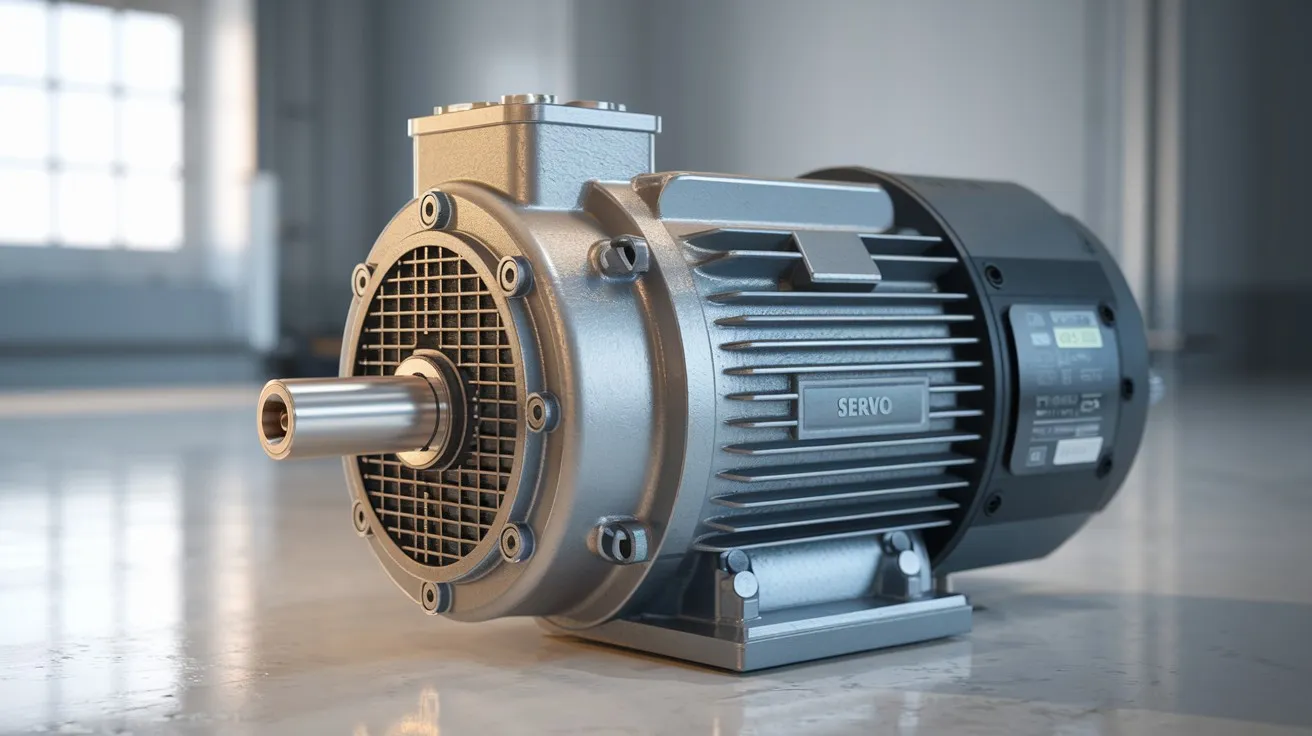
Determining the correct servo motor price is essential for any industrial system investment in the USA. The price affects performance, long-term value, and operational efficiency. Since factories rely on both small servo motors and drives and advanced automation, costs can vary widely. Many companies also factor in servo motor repair when evaluating overall value. This guide helps you make informed decisions while avoiding unnecessary expense.
Understanding Servo Motor Price in Industrial Applications
The servo motor price depends on several core elements that influence performance and reliability. However, buyers often overlook hidden costs that impact long-term value. Therefore, knowing what drives pricing helps you compare models with confidence.
First, consider the type of motor you need. Small servo motors and drives often cost less upfront. However, they may require additional components when used in precision systems. In many cases, companies perform regular maintenance or plan for servo motor repair to extend lifespan.
This long-term thinking keeps budgets stable and systems running smoothly.
What are the Key Factors That Influence Servo Motor Price
1. Motor Size and Power Rating (Uses: small servo motors and drives)
Motor size is a primary cost driver. Smaller units handle light-duty work, while larger models support high-torque applications. However, smaller is not always cheaper. For example, small servo motors and drives designed for medical or aerospace use often include advanced control features. These upgrades increase the overall price of the servo motor.
Additionally, power rating affects cost. Higher horsepower motors typically cost more because they require durable materials, stronger magnets, and improved thermal management. Therefore, always match the power rating with the exact load needed.
2. Precision Level and Feedback Technology
Servo systems rely on precision. Motors with advanced encoders offer smoother control, tighter accuracy, and improved repeatability. However, more precision means a higher servo motor price.
For example, an absolute encoder provides position data even after power loss. Meanwhile, a resolver offers better durability in harsh environments. Since both add cost, choose based on the environment and performance demand.
3. Brand, Build Quality, and Origin
Brand reputation plays a major role in pricing. Well-known US brands often charge more because of proven reliability and superior engineering. Additionally, motors manufactured in regions with higher labor or material standards tend to cost more.
However, premium brands often reduce long-term expenses by experiencing fewer failures and less frequent servo motor repairs. Therefore, a higher upfront price often means a better lifecycle value.
4. Application Requirements and Industry Standards
Industries such as robotics, packaging, and aerospace require advanced stability and safety certifications. These certifications increase production costs and add to the final price of the servo motor. Always verify if your industry requires UL, CE, or other approvals before purchase.
Additionally, motors designed for cleanrooms, humid environments, or high temperatures cost more due to specialty seals and coatings.
Cost of Ownership: More Than Just the Servo Motor Price
Many buyers focus only on the initial purchase, but long-term ownership costs matter just as much. For example, servo motor repair is a recurring factor. Professional repair often costs significantly less than full replacement. Therefore, choosing a model with widely available spare parts saves money over time.
Energy efficiency also affects lifetime cost. Efficient motors use less power and generate less heat. This helps systems run longer without damage, reducing repair frequency and overall operating costs.
How to Compare Servo Motor Price Options Effectively
1. Define Load and Motion Requirements
Start by identifying torque, speed, and cycle demands. Precise requirements prevent overspending on excessive power or paying for unnecessary premium features. For example, high-speed robotics may require expensive encoders, while packaging lines may not.
2. Evaluate Drive Compatibility
Servo motors work with matching drives. Therefore, always ensure your small servo motors and drives are compatible. Using mismatched drives can cause overheating, inaccurate control, or premature failure.
Driving compatibility also affects repair options. Systems using standard parts make servo motor repair faster and cheaper.
3. Compare Warranty and Support Services
A strong warranty may reduce future repair costs. Additionally, US-based manufacturers often offer faster customer service. This reduces downtime, which is especially important in industries where each hour matters financially.
4. Look at Long-Term Parts Availability
Consider whether spare parts and repair services will remain available for several years. Rare models may be cheaper upfront but expensive later due to limited servo motor repair options.
How to Maximize Value When Evaluating Servo Motor Price
- Choose motors rated slightly above your maximum load to reduce strain.
- Avoid models that exceed your actual accuracy needs.
- Consider energy-efficient motors if running equipment 24/7.
- Compare lifecycle cost, not just upfront price.
- Use trusted US suppliers to avoid counterfeit or poorly built products.
These steps help you secure maximum value while keeping all production systems running smoothly.
When to Repair vs. Replace a Servo Motor
In many cases, servo motor repair costs far less than buying a new unit. Repairs typically include bearing replacement, rewinding, encoder service, and cleaning. If the repair expense is 50–60% or less of the new servo motor price, repairing often provides better value.
However, replace the motor if:
- Electronics are severely damaged
- The model is discontinued with no parts
- Performance cannot be restored
- Usage demands exceed current motor capacity
Conclusion
Choosing the correct servo motor price involves understanding application needs, long-term costs, and the value of repairs. Whether using small servo motors and drives or larger industrial units, proper evaluation ensures better performance and durability. Since repair availability also affects cost, always consider servo motor repair as part of total ownership. With these tips, you can make confident and informed purchasing decisions for any industrial system.
FAQs
2. Are small servo motors and drives cheaper?
Small servo motors and drives can be more affordable, but advanced features or precision requirements may raise their price. Their total cost depends on application needs, power rating, and compatibility with drives and control systems.
3. Is servo motor repair cost-effective?
Servo motor repair is often cost-effective because it restores performance for a fraction of the replacement cost. Repairs extend lifespan, reduce downtime, and help maintain system efficiency, especially when parts are available and motor damage is not severe.
4. How long do industrial servo motors last?
Industrial servo motors typically last many years when properly maintained. Factors such as load level, operating environment, duty cycle, and preventive maintenance routines determine lifespan. Regular inspections and timely repairs help keep motors reliable over extended periods.
5. Which servo motor type offers the best value?
The best value comes from motors matched precisely to application needs. Choosing the correct torque, encoder precision, and durability level prevents overspending. Reliable brands with strong support and available repair services also provide better long-term performance and cost savings.