In modern motion control systems, choosing the right electric hydraulic pump is critical for maximizing output while minimizing size and energy loss. From compact mobile systems to industrial automation powered by a servo-driven hydraulic pump, the goal is clear: achieve higher power in a smaller footprint without sacrificing reliability.
Users comparing electric hydraulic pump configurations are typically seeking the most power-dense and efficient solution for demanding environments. This guide provides a professional, data-driven comparison of common designs and explains how to choose the optimal configuration for your hydraulic power pack or portable system.
What Makes an Electric Hydraulic Pump Power-Dense?
Power density refers to the amount of hydraulic power delivered relative to the system’s size or weight. A high-power-density electric hydraulic pump produces more force and flow per unit of volume, making it ideal for space-constrained and mobile applications.
Key Factors Influencing Power Density
1. Motor Efficiency
The efficiency of the electric motor directly affects how much mechanical energy is converted into hydraulic power. Modern servo-driven systems significantly outperform traditional induction motors in this regard.
2. Pump Type and Internal Design
Different hydraulic fluid pump architectures, such as gear, vane, and piston, offer varying efficiencies and pressure capabilities. Axial piston designs typically deliver superior power density compared to gear-based small hydraulic pump systems.
3. Integrated Hydraulic Power Pack Design
A compact hydraulic power pack integrates reservoir, motor, and pump into a single optimized unit. Advanced packaging reduces footprint while maintaining high torque output.
According to data from organizations like the U.S. Department of Energy, improving motor efficiency alone can reduce industrial energy losses significantly, enhancing overall hydraulic pumps and motors performance.
How Do Different Electric Hydraulic Pump Configurations Compare?
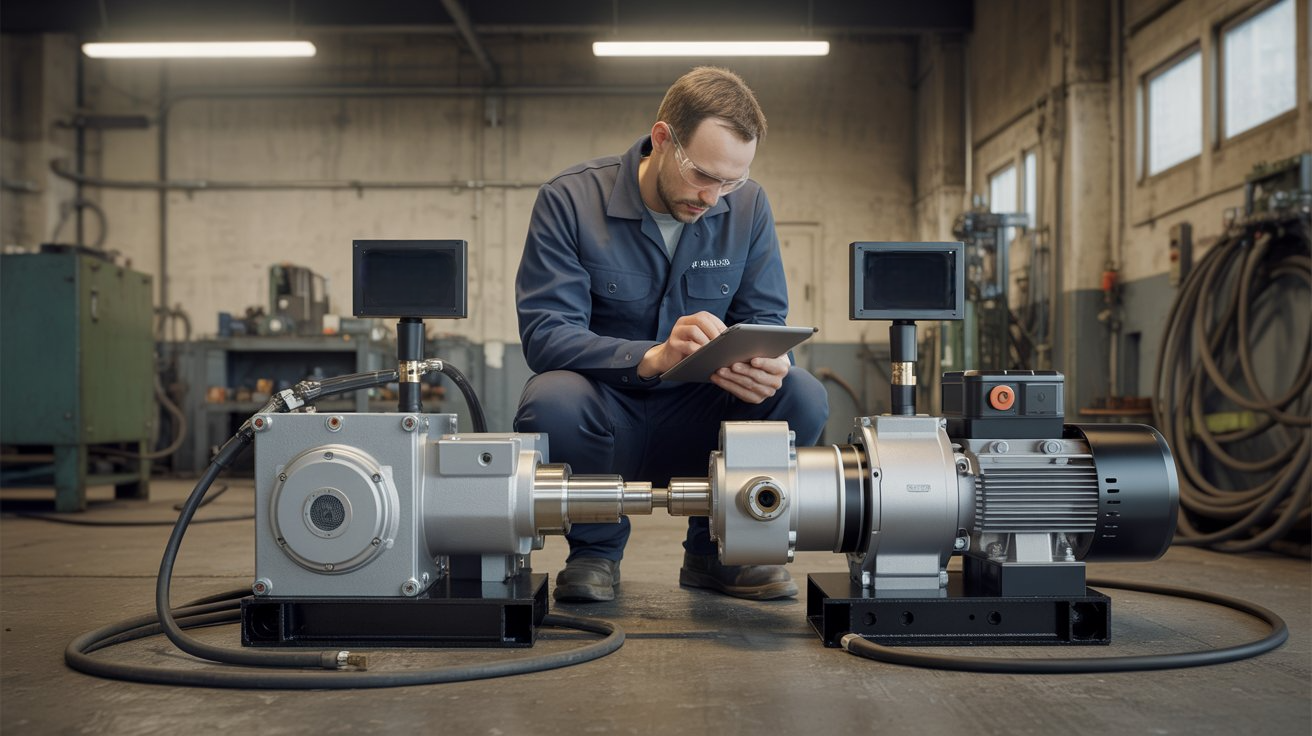
When comparing configurations, engineers typically evaluate three primary setups: conventional motor-driven systems, servo-driven designs, and compact integrated portable units.
Conventional Motor with Pump Systems
Traditional electric hydraulic pump systems pair a fixed-speed electric motor with a standard hydraulic fluid pump.
Advantages:
- Lower upfront cost
- Simple design
- Widely available components
Limitations:
- Lower power density
- Energy loss during idle operation
- Larger hydraulic power pack footprint
These systems are common in legacy industrial setups where space is less constrained.
Servo-Driven Hydraulic Pump Systems
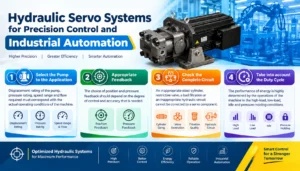
A servo-driven hydraulic pump uses a variable-speed servo motor to precisely match output with demand. This configuration significantly enhances power density.
Why is it more power-dense?
- Motor operates only when needed
- Reduced heat generation
- Smaller reservoir requirement
- Enhanced torque response
In applications requiring dynamic load adjustments, such as robotics or automated manufacturing, servo-driven hydraulic pump systems outperform conventional hydraulic pumps and motors.
Efficiency standards referenced by the National Institute of Standards and Technology highlight the benefits of variable-speed motor integration for energy optimization.
Compact and Portable Configurations
For mobile or field operations, a small hydraulic pump integrated into a portable hydraulic power pack is often preferred.
Characteristics:
- Lightweight frame
- Reduced reservoir size
- Lower continuous output capacity
While compact systems deliver moderate power density, they are engineered for mobility rather than maximum output. In emergency repair or construction environments, a portable electric hydraulic pump provides unmatched flexibility.
Which Electric Hydraulic Pump Configuration Is Most Efficient?
Efficiency and power density often go hand in hand, but not always. The most efficient system is the one that aligns precisely with operational demand.
When Is a Servo-Driven Hydraulic Pump Best?
A servo-driven hydraulic pump is ideal when:
- Load demand fluctuates frequently
- Energy savings are a priority
- Space constraints exist
- Noise reduction matters
This configuration typically offers the highest power density per cubic inch, making it superior for precision-driven industrial systems.
When Should You Choose a Small Hydraulic Pump?
A small hydraulic pump is appropriate when:
- Mobility is critical
- The application is intermittent
- Load requirements are moderate
Although its power density may be slightly lower than that of industrial servo systems, its compact design ensures excellent portability.
What About Hybrid Hydraulic Power Pack Systems?
Hybrid hydraulic power pack systems combine intelligent controls with compact electric hydraulic pump integration. These systems balance performance, space, and cost.
By optimizing hydraulic pump and motor selection, engineers can design systems that achieve up to 30% higher operational efficiency compared to traditional setups.
Performance Comparison Summary
| Configuration | Power Density | Efficiency | Footprint | Best Use Case |
| Conventional Motor-Driven | Moderate | Moderate | Large | Fixed industrial systems |
| Servo-Driven Hydraulic Pump | High | Very High | Compact | Automation & precision |
| Portable Small Hydraulic Pump | Moderate | Good | Very Compact | Mobile & field work |
In most high-performance scenarios, the servo-driven hydraulic pump configuration provides the highest power density and operational efficiency. However, the ideal electric hydraulic pump selection depends on application goals.
How to Select the Right Electric Hydraulic Pump?
Choosing the right electric hydraulic pump requires evaluating:
- Required pressure and flow rate
- Duty cycle frequency
- Available installation space
- Energy consumption goals
- Noise tolerance
For large-scale industrial facilities, upgrading to modern hydraulic pumps and motors can reduce operating costs and carbon footprint. For mobile operations, a portable hydraulic power pack equipped with a small hydraulic pump ensures operational flexibility.
The key is alignment, matching the electric hydraulic pump configuration precisely to the performance demand.
Conclusion
Selecting the most power-dense electric hydraulic pump configuration is not about choosing the largest system; it’s about choosing the smartest design. Servo driven hydraulic pump systems lead in efficiency and compactness. Conventional systems remain practical for stable environments. Portable and small hydraulic pump units excel in mobility-driven applications.
By carefully comparing hydraulic fluid pump architecture, motor technology, and hydraulic power pack design, engineers can achieve superior output in a smaller footprint. In an era where energy efficiency and compact engineering define competitiveness, power density is more than a specification; it is a strategic advantage.
Contact THM Huade today to discover advanced hydraulic solutions tailored to your industrial and mobile applications.
FAQs
- What is the most power-dense electric hydraulic pump configuration?
The servo-driven hydraulic pump configuration typically offers the highest power density because it adjusts motor speed to match demand, reducing energy loss while maintaining compact system architecture. - Is a small hydraulic pump suitable for industrial use?
A small hydraulic pump works well for intermittent or portable applications, but large industrial operations usually require advanced hydraulic pumps and motors for sustained high-pressure performance. - How does a hydraulic power pack improve efficiency?
A hydraulic power pack integrates components into a compact unit, minimizing energy loss, improving thermal management, and enhancing the overall performance of the electric hydraulic pump system. - Are servo-driven hydraulic pumps more expensive?
Yes, servo-driven hydraulic pump systems often have higher upfront costs, but they deliver long-term savings through improved efficiency, reduced maintenance, and superior power density performance. - How do hydraulic pumps and motors impact overall system performance?
Hydraulic pumps and motors directly determine system responsiveness, pressure stability, and energy efficiency. Selecting high-quality, properly sized components ensures optimal power density, reduces heat generation, minimizes wear, and significantly improves the long-term reliability of an electric hydraulic pump system.