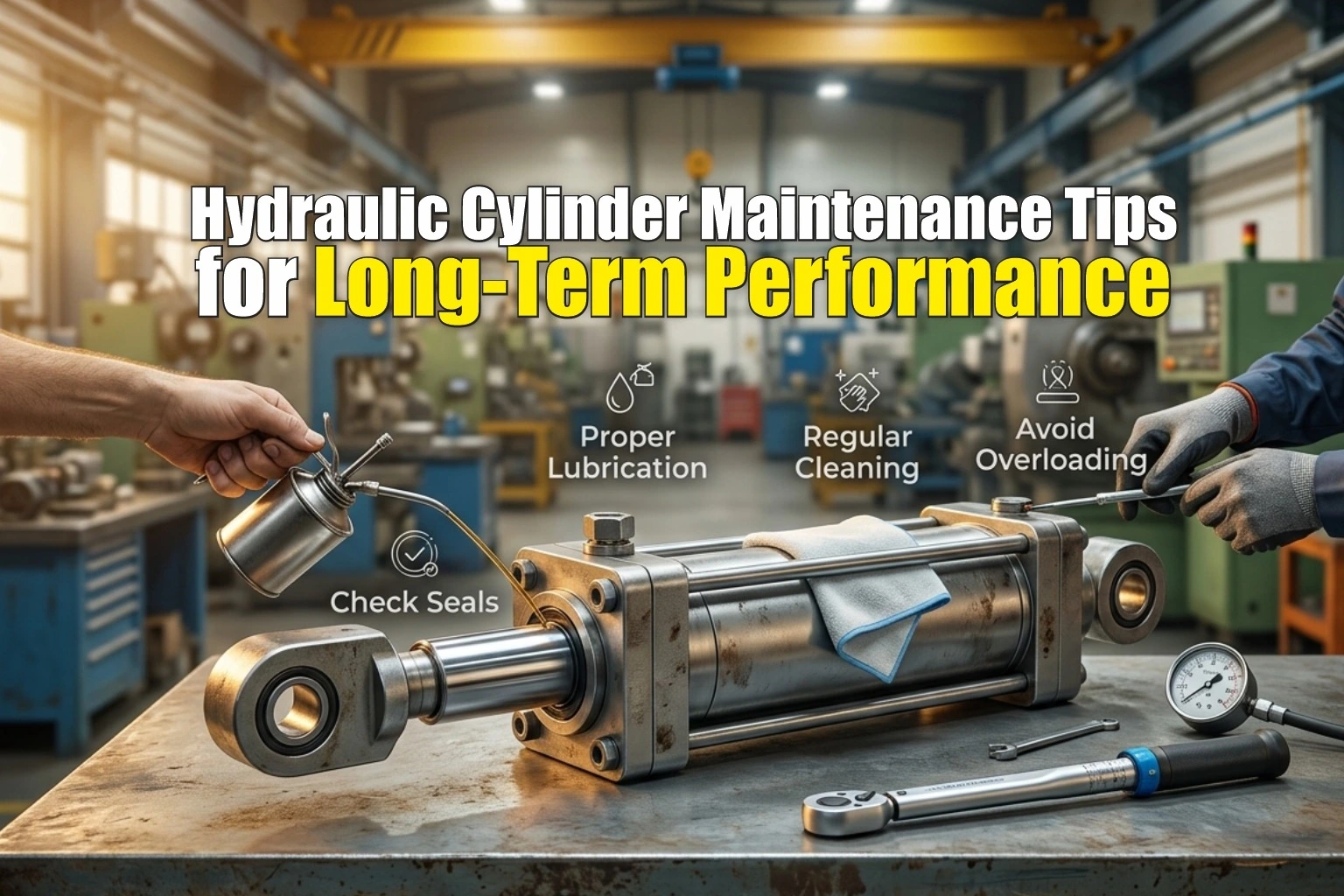
Hydraulic cylinder service is a necessity in the long term performance and reliability of industrial equipment. A properly serviced hydraulic cylinder does not only enhance efficiency but it also minimizes downtimes and expensive repairs.
Cylinders in most industrial hydraulic systems are subjected to constant pressure, load and extreme working conditions. Performance problems may arise very fast without adequate attention.
Businesses that focus on regular hydraulic cylinder maintenance can extend equipment life and maintain smooth operations. It is not only with construction machinery or factory machines, but proper maintenance will help you avoid unexpected failures.
Why Hydraulic Cylinder Maintenance Matters
Hydraulic cylinders are very important in heavy machines. They transform hydraulic energy to linear movement enabling machines to lift, push and move loads effectively.
Major Reasons why Maintenance should be done on a regular basis.
- Prevents unexpected breakdowns
- Improves machine efficiency
- Reduces repair costs
- Extends equipment lifespan
- Guarantees operational safety
In most instances, failure to maintain hydraulic equipment results in severe damages that would have been prevented.
Common Problems in Hydraulic Cylinders
Knowledge of prevalent problems aids in the prevention and early detection.
Typical Issues:
- Oil Leakage: The leaks are usually as a result of dilapidated seals or rods.
- Rod Damage: Cylinder performance may be disturbed by scratches or bending.
- Contamination: Unclean hydraulic oil leads to wear and internal damages.
- Slowness or Slowness of Movement: This can be an indication of loss of pressure or internal leakage.
- This is generally observed in the industrial maintenance setting where machinery is used 24/7.
Essential Hydraulic Cylinder Maintenance Tips
Quality maintenance guarantees efficient functioning and durability.
1. Regular Inspection
Regular checkups are to be made to detect the wear or damage at an early stage. Seals, rods and connections are some of the components that need to be routinely examined.
2. Keep Hydraulic Fluid Clean
Oil is essential in efficient operation, clean oil. Oil pollution may cause internal components to be damaged and compromised the performance of industrial hydraulic systems.
3. Check for Leaks
Leaks are to be repaired in order to avoid the pressure loss and additional damage. Minor leaks may influence efficiency of the system.
4. Proper Lubrication
Friction and wear should be minimized by ensuring that moving parts are well lubricated.
5. Monitor Operating Conditions
Monitoring of temperature, pressure and load should be done to make sure that the cylinder is running within safe limits.
These are the necessary steps to good hydraulic cylinder maintenance.
Hydraulic System Maintenance Best Practices
It is equally important to maintain the whole system as much as to maintain parts.
System-Level Maintenance:
- Replace filters regularly
- Fittings and hydraulic hoses Check hydraulic hoses Check hydraulic fittings
- Monitor system pressure
- Make sure that components are aligned
- Carry out routine maintenance inspections
A well maintained system enhances the general maintenance of the heavy equipment and minimizes downtimes.
When to Consider Hydraulic Repair Services
Maintenance is not always sufficient, and a professional assistance is needed.
Indications You require Hydraulic Repair:
- Frequent oil leaks
- Reduced lifting capacity
- Abnormal noise or vibration
- Cylinder failing to hold position
Professional hydraulic repair services are also an option in such cases in order to prevent additional damage.
Selecting the appropriate Hydraulic Cylinder
The choice of the appropriate cylinder enhances performance and lowers maintenance problems.
Buying Tips:
1. Check Application Requirements
Select a cylinder that fits your machine and loading requirements.
2. Evaluate Quality
Durability and reliability are guaranteed by high quality materials.
3. Consider Supplier Reputation
Whenever you intend to purchase hydraulic cylinder in India, you should always select a reliable supplier.
4. Check Compatibility
Make sure that the cylinder fits your system.
Selecting the appropriate product eliminates the necessity of regular hydraulic repair.
Long Term Performance Preventive Maintenance
Preventive maintenance is used to prevent significant breakdowns and also provides uniform performance.
Key Preventive Steps:
- Schedule regular inspections
- High quality hydraulic oil should be used
- Keep components clean
- Change damaged components in time
- Handling of proper train operators
The practices enhance reliability of the industrial hydraulic systems and lower maintenance expenses.
Final Thoughts
Maintenance of hydraulic cylinders is not a simple affair, it is actually a crucial aspect of ensuring that industrial machinery operates effectively. Maintenance will avoid breakdowns, save on repair expenses and increase the life of your equipment. Even minor problems can cause significant failures in case they are not taken care of in time in the demanding environment.
Businesses can also maintain their industrial hydraulic systems by adhering to the routine maintenance procedures and using quality components to ensure a smooth running system. Preventative care today is a way to prevent costly downtime in the future.
For reliable products and expert support, THM Huade provides trusted hydraulic solutions for all your hydraulic needs.
Call THM expert team to guarantee long term performance and efficiency of your hydraulic systems.
FAQ’s
Q1. What are the best hydraulic cylinder maintenance practices?
Regular check-up, clean hydraulic oil, keep lubricated and replace seals on time are useful to ensure that it performs and does not fail.
Q2. What are common signs of hydraulic cylinder failure?
The typical symptoms are oil spills, slowness or irregularity of movement, pressure loss, and strange noises during the working process.
Q3. Why do hydraulic cylinder seals fail?
Seals are used to fail because of wear and contamination, high pressure and high temperature that decreases their sealing capability.
Q4. What causes hydraulic cylinder leakage?
Damaged seals, worn out rods, loose fittings or contaminated hydraulic fluid normally cause leakage.
Q5. How do you troubleshoot hydraulic cylinder problems?
Identify and repair problems by checking leaks, checking seals and rods, checking the level of pressure, and checking the quality of oil.