Industrial systems rely heavily on hydraulic power for consistent force, reliability, and operational efficiency. However, purchasing the wrong unit can create serious performance problems, downtime, and costly system modifications. That is why professionals searching for a hydraulic power pack for sale must carefully review technical specifications before making a purchase decision.
A hydraulic power pack is the heart of many machines. It converts electrical or mechanical energy into hydraulic pressure that powers equipment across manufacturing, construction, and heavy engineering industries. Because these systems directly influence productivity and safety, selecting the right configuration is critical.
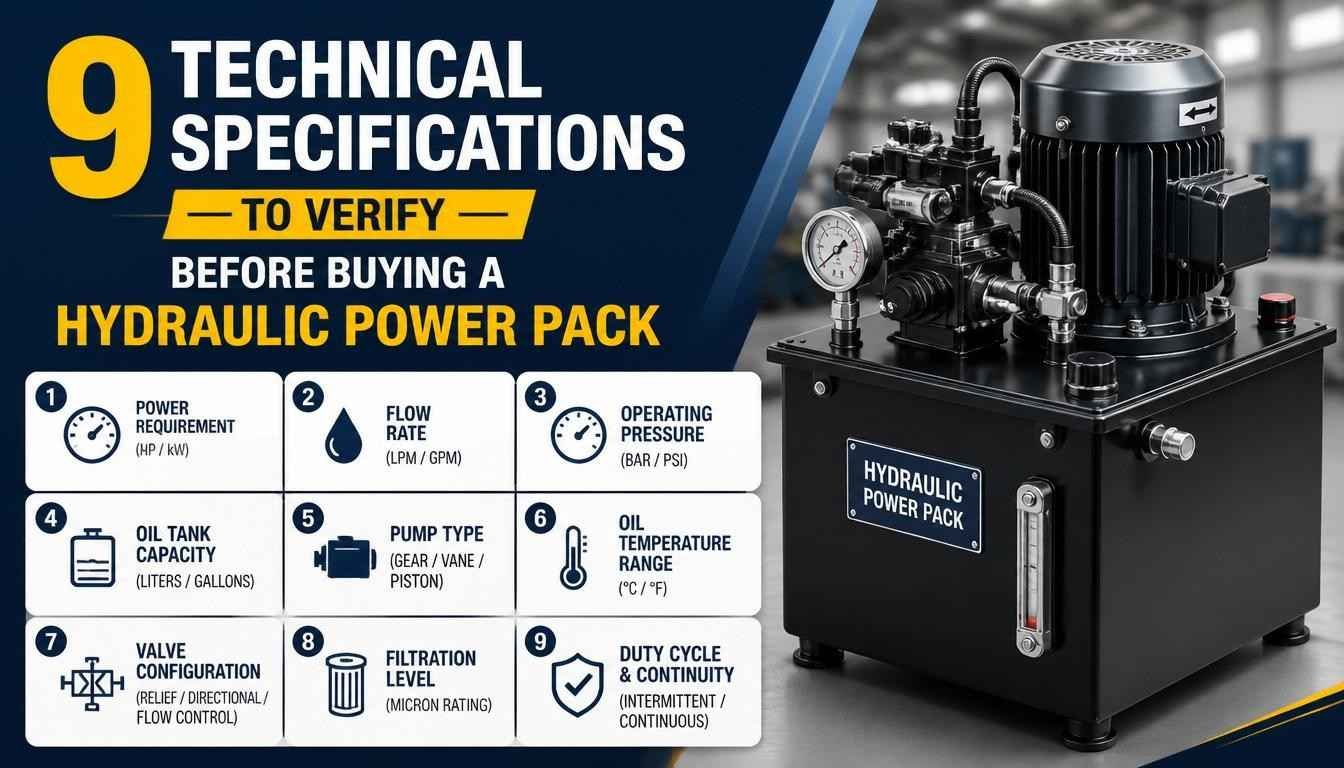
In this guide, we will explore nine technical specifications buyers must verify before purchasing hydraulic power packs, helping you avoid compatibility issues and unexpected costs.
Why Is It Important to Verify Specifications Before Purchasing?
Hydraulic systems are designed around precise engineering requirements. Even a minor mismatch between the power pack and the machinery it supports can reduce efficiency or damage components.
For instance, an undersized small hydraulic pump may struggle to maintain pressure. Meanwhile, an oversized system can waste energy and increase operating expenses.
When reviewing a hydraulic power pack for sale, verifying specifications ensures:
- Proper compatibility with existing machinery
- Reliable system pressure and performance
- Lower maintenance and operating costs
- Reduced risk of system failure
- Longer equipment lifespan
Understanding the specifications below will help you make a confident and informed investment.
What Flow Rate Should Your Hydraulic Power Pack Provide?
Flow rate is one of the most important parameters in hydraulic system performance. It determines how quickly hydraulic fluid moves through the system and directly impacts machine speed.
Flow rate is typically measured in liters per minute (LPM) or gallons per minute (GPM).
If the flow rate is too low, machine movements may become slow or inconsistent. On the other hand, an excessive flow rate can generate unnecessary heat and energy consumption.
When evaluating hydraulic power packs, confirm that the unit provides a flow rate compatible with your equipment’s operational requirements. A properly sized electric hydraulic pump will ensure optimal performance without unnecessary energy loss.
Does the System Provide Adequate Pressure Capacity?
Pressure capacity defines the force your hydraulic system can generate. It is usually measured in bar or PSI.
Before purchasing a hydraulic power pack for sale, check the maximum working pressure your equipment requires. The power pack must meet or exceed this requirement without operating continuously at its limit.
A well-designed small hydraulic pump should operate within a safe pressure range. Running the system too close to maximum capacity can accelerate wear and reduce reliability.
Manufacturers often provide recommended pressure ratings for safe long-term operation. Always review these guidelines carefully.
How Important Is Reservoir Size in Hydraulic Systems?
The hydraulic reservoir stores the fluid required to operate the system. It also helps regulate temperature and remove contaminants.
A reservoir that is too small may lead to overheating and unstable fluid flow. Meanwhile, an oversized reservoir increases system footprint and cost.
When reviewing hydraulic power packs, consider these factors:
- Total fluid capacity needed for system operation
- Cooling requirements for extended usage
- Space limitations within your facility
- Maintenance accessibility
Portable systems, such as a hydraulic power pack portable, often feature compact reservoirs. However, they must still maintain sufficient capacity for stable operation.
Is the Power Source Compatible With Your Facility?
Hydraulic power packs operate using various power sources. Selecting the correct option is essential for integration with your infrastructure.
Common power sources include:
- Electric motors
- Diesel engines
- Gasoline engines
In many industrial environments, an electric hydraulic pump is the preferred choice due to efficiency, low noise, and minimal emissions.
However, remote job sites often rely on engine-driven units or hydraulic power pack portable systems where electrical infrastructure may be limited.
Always confirm voltage requirements, motor ratings, and energy consumption before finalizing a purchase.
What Pump Type Is Used in the System?
The pump is the central component responsible for generating hydraulic flow and pressure. Different pump types offer unique advantages depending on the application.
Common pump designs include:
- Gear pumps
- Vane pumps
- Piston pumps
Gear pumps are widely used in small hydraulic pump systems due to their durability and simple design. Piston pumps, on the other hand, provide higher efficiency and are often used in heavy-duty industrial operations.
When evaluating a hydraulic power pack for sale, understanding the pump type helps determine system reliability and maintenance needs.
Does the System Include Proper Filtration?
Hydraulic fluid contamination is one of the leading causes of equipment failure. Dirt, metal particles, and debris can quickly damage sensitive components.
Effective filtration ensures long-term reliability for hydraulic power packs.
A well-designed filtration system typically includes:
- Suction filters to protect the pump
- Pressure-line filters to safeguard valves
- Return-line filters to clean fluid before entering the reservoir
Before purchasing a hydraulic power pack portable or stationary unit, confirm that it includes high-quality filtration components.
Proper filtration can significantly extend equipment life and reduce maintenance costs.
Are Cooling Mechanisms Included for Temperature Control?
Heat generation is unavoidable in hydraulic systems. Without adequate cooling, high temperatures can degrade hydraulic fluid and damage system components.
Cooling solutions may include:
- Air-cooled heat exchangers
- Water-cooled heat exchangers
- Larger reservoir designs for heat dissipation
Many modern hydraulic power packs integrate built-in cooling systems to maintain stable operating temperatures.
When reviewing a hydraulic power pack for sale, check whether cooling features are included or if additional accessories are required.
Maintaining optimal fluid temperature is essential for efficient system performance.
Is the Control System Easy to Operate and Monitor?
Advanced control systems improve operational safety and allow operators to monitor system performance.
Many modern hydraulic power packs now include digital monitoring panels that track:
- Pressure levels
- Fluid temperature
- Motor performance
- System diagnostics
For mobile equipment, a hydraulic power pack portable often includes simplified control panels designed for quick field adjustments.
Ease of operation and monitoring ensures technicians can detect potential issues early, reducing downtime.
What Safety Features Are Built Into the System?
Safety features protect both operators and equipment during hydraulic system operation.
When evaluating a hydraulic power pack for sale, look for the following built-in safeguards:
- Pressure relief valves
- Emergency stop switches
- Overload protection
- Thermal protection for motors
These safety mechanisms help prevent system damage and ensure safe operation in demanding industrial environments.
Reliable hydraulic power packs should always meet relevant engineering safety standards.
Is the Unit Designed for Portability or Fixed Installation?
The final specification to verify is system mobility. Some industries require stationary hydraulic units, while others benefit from portable systems.
A hydraulic power pack portable unit offers flexibility for construction sites, maintenance operations, and remote industrial applications.
However, fixed systems often provide higher capacity and are better suited for continuous production environments.
When reviewing a hydraulic power pack for sale, determine whether your application requires mobility, compact design, or maximum power output.
Choosing the right configuration ensures long-term operational efficiency.
How Do These Specifications Help Avoid Costly Mistakes?
Many equipment failures occur because hydraulic systems were not properly matched to operational requirements.
By reviewing the nine specifications outlined above, buyers can:
- Ensure compatibility with machinery
- Avoid system overheating or pressure failure
- Improve energy efficiency
- Reduce downtime and repair costs
Whether you are purchasing hydraulic power packs for industrial manufacturing or selecting a small hydraulic pump for compact equipment, a thorough technical evaluation is essential.
A well-matched system will deliver reliable performance for years.
Conclusion
Purchasing a hydraulic power pack for sale requires more than comparing prices or product descriptions. Industrial hydraulic systems demand precise engineering compatibility.
By carefully reviewing specifications such as flow rate, pressure capacity, pump type, filtration, cooling systems, and control mechanisms, buyers can make informed decisions that protect their investment.
Whether you require a high-capacity industrial system or a hydraulic power pack portable solution for field operations, understanding these specifications will help you select the right equipment for your needs.
A well-chosen hydraulic power pack ensures operational efficiency, improved productivity, and long-term system reliability.
FAQs
How do I choose the right hydraulic power pack?
Selecting the right hydraulic power pack for sale requires evaluating flow rate, pressure capacity, pump type, reservoir size, and compatibility with your machinery’s operating requirements.
What is the difference between portable and stationary hydraulic power packs?
A hydraulic power pack portable unit is designed for mobility and field applications, while stationary systems are installed permanently and typically provide higher power capacity for industrial production environments.
Why is filtration important in hydraulic power packs?
Filtration prevents contaminants from entering hydraulic components. Clean hydraulic fluid improves system reliability, reduces wear, and extends the lifespan of hydraulic power packs.
Are electric hydraulic pumps better than engine-driven systems?
An electric hydraulic pump is often preferred for indoor industrial use because it produces less noise, requires less maintenance, and offers higher energy efficiency compared to engine-driven alternatives.