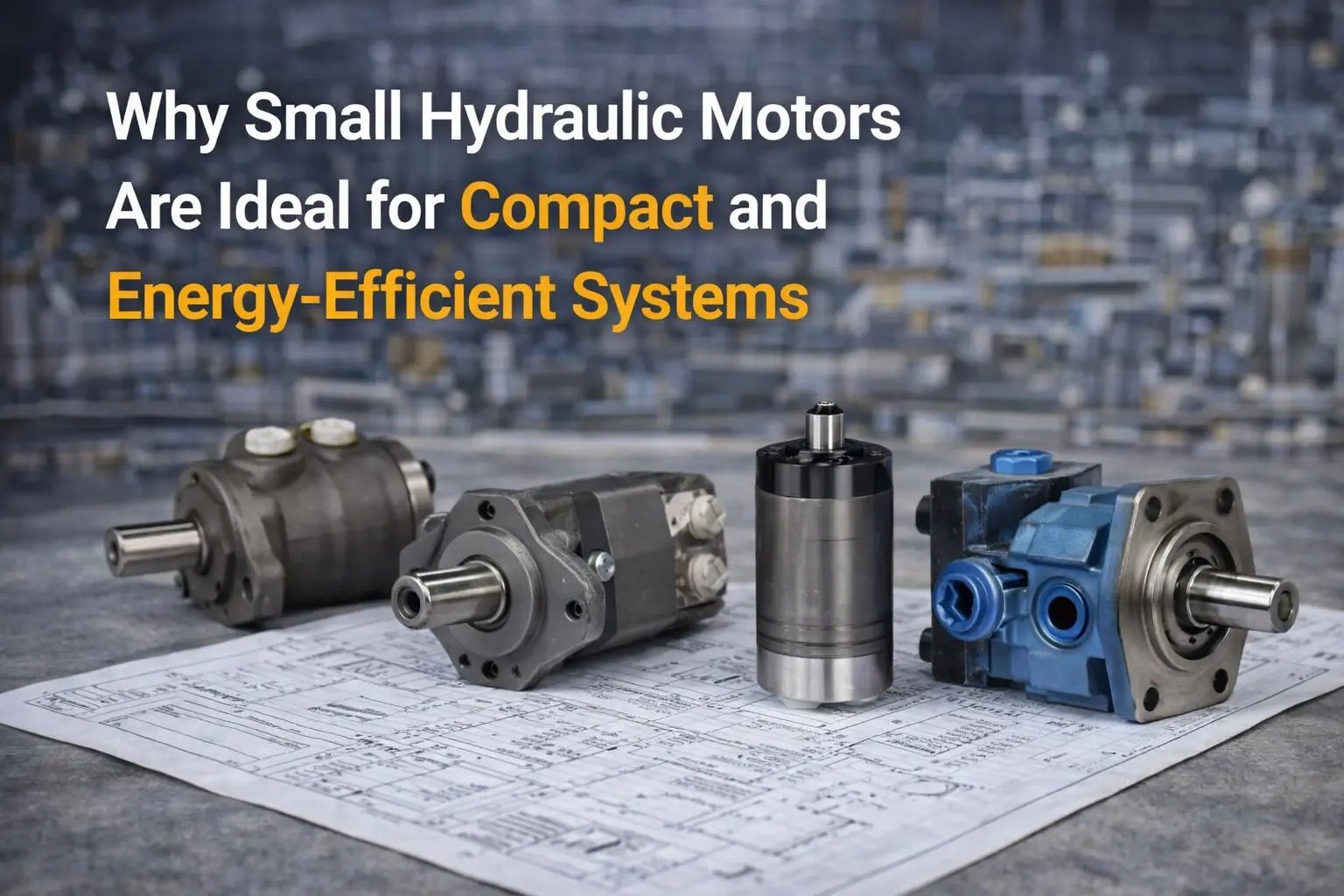
Modern machinery demands power without excess bulk. As industries evolve, space efficiency and energy savings matter more than ever. Small hydraulic motors answer this need perfectly.
Engineers want performance, reliability, and efficiency. Small hydraulic motors, compact hydraulic motor benefits, and energy-efficient hydraulic motor designs help achieve all three. Therefore, these motors have become a preferred choice across the USA.
This guide explains why these motors excel. It also shows how small motor advantages and low-power hydraulic motor solutions improve modern equipment.
Small Hydraulic Motors: Power in a Compact Design
Small hydraulic motors provide strong torque while occupying minimal space. This balance makes them ideal for compact machinery. As a result, designers gain flexibility without sacrificing output.
These motors integrate easily into tight layouts. For example, mobile equipment and industrial tools benefit greatly. Consequently, system layouts remain clean and efficient.
Unlike bulky alternatives, small motors reduce mechanical strain. Therefore, components last longer. This design advantage improves overall system reliability.
Compact Hydraulic Motor Benefits for Space-Constrained Systems
One of the biggest compact hydraulic motor benefits is space optimization. Smaller motors allow tighter packaging. This advantage is critical in modern equipment design.
Moreover, reduced size improves weight distribution. As a result, machines perform better and operate more smoothly. This benefit matters in mobile and portable systems.
Another advantage is easier installation. Technicians spend less time fitting components. Therefore, maintenance costs drop significantly.
Compact systems also improve aesthetics. Clean designs enhance product value. In contrast, oversized components limit innovation.
Energy-Efficient Hydraulic Motor Technology Explained
Energy consumption drives operating costs. An energy-efficient hydraulic motor helps reduce waste while delivering consistent performance. This efficiency directly supports sustainability goals.
Modern small motors use optimized internal flow paths. Therefore, energy losses remain minimal. This design ensures more power reaches the output shaft.
Energy-efficient designs generate less heat. As a result, cooling requirements decrease. This benefit further reduces energy consumption.
Over time, energy savings add up. For businesses in the USA, this means lower operating expenses. Consequently, energy efficiency becomes a strategic advantage.
Small Motor Advantages in Modern Machinery
The small motor advantages extend beyond size alone. These motors provide precise control. Therefore, operators experience smoother and more responsive performance.
Another key benefit is versatility. Small motors work across industries. For example, agriculture, construction, and manufacturing rely on them.
Durability also stands out. Despite their size, small motors handle demanding conditions. As a result, downtime decreases.
Compact motors simplify system upgrades. Engineers can replace older units easily. This flexibility supports long-term scalability.
Low Power Hydraulic Motor Solutions That Deliver Efficiency
A low-power hydraulic motor suits applications where energy conservation is critical. These motors operate efficiently at lower pressure levels. Therefore, systems consume less power overall.
Low-power designs also reduce stress on hydraulic components. As a result, seals and hoses last longer. Maintenance intervals increase significantly.
In addition, low-power motors support quieter operation. Noise reduction improves workplace safety and comfort. This benefit matters in indoor environments.
Despite lower power demands, performance remains consistent. Therefore, efficiency does not compromise productivity.
Why Small Hydraulic Motors Improve System Reliability
Reliability is essential in industrial systems. Small hydraulic motors enhance reliability through simplified design. Fewer moving parts reduce failure risks.
Moreover, efficient energy use minimizes overheating. Therefore, wear and tear decrease. This extends motor lifespan.
Compact designs also improve fluid flow efficiency. As a result, pressure losses stay controlled. Stable operation follows naturally.
When systems run smoothly, unexpected breakdowns decline. Consequently, productivity improves across operations.
Applications That Benefit Most from Small Hydraulic Motors
Many industries rely on small hydraulic motors for critical tasks. Construction equipment uses them for compact tools. Agricultural machinery depends on them for precision control.
In manufacturing, small motors power conveyors and automation systems. Therefore, production lines remain efficient and adaptable.
Mobile equipment also benefits greatly. Space constraints demand compact solutions. As a result, small motors dominate this sector.
Even renewable energy systems use energy-efficient motors. This trend highlights their growing importance.
Choosing the Right Small Hydraulic Motor in the USA
Selecting the right motor requires careful evaluation. First, consider torque and speed requirements. This ensures optimal performance.
Next, assess space limitations. Compact hydraulic motor benefits matter most in tight layouts. Therefore, accurate measurements are essential.
Energy efficiency should also guide decisions. An energy-efficient hydraulic motor lowers long-term costs. This factor supports sustainability goals.
Finally, choose trusted suppliers in the USA. Quality manufacturing ensures reliability and compliance with industry standards.
The Future of Compact and Energy-Efficient Hydraulic Systems
Technology continues to evolve rapidly. Small hydraulic motors will play a larger role in future designs. Their efficiency aligns with modern engineering priorities.
As industries demand smarter systems, compact solutions gain value. Therefore, innovation focuses on efficiency and reliability.
Energy regulations also drive change. Low consumption designs meet stricter standards. Consequently, adoption rates will continue rising.
For engineers and businesses alike, small motors represent progress.
Conclusion
Small hydraulic motors offer the perfect balance of compact design, energy efficiency, and reliable performance. They help save space, reduce energy consumption, and improve system longevity across a wide range of modern applications.
As industries in the USA continue to prioritize efficiency and smart engineering, choosing the right motor solution becomes essential. Small, well-designed hydraulic motors clearly support both performance and sustainability goals.
THM Huade delivers trusted hydraulic solutions designed to meet today’s demanding system requirements.
FAQs
How does an energy-efficient hydraulic motor reduce costs?
An energy-efficient hydraulic motor minimizes power loss and heat generation. As a result, systems consume less energy, require less cooling, and have lower long-term operating and maintenance expenses.
What are the key compact hydraulic motor benefits?
Compact hydraulic motor benefits include space savings, easier installation, better weight balance, and improved system flexibility. These advantages support modern equipment design and long-term scalability.
Are low-power hydraulic motors suitable for industrial use?
Yes, low-power hydraulic motors perform efficiently in many industrial applications. They reduce energy consumption, operate quietly, and still provide consistent performance for precision-driven tasks.
What industries benefit most from small hydraulic motors?
Small hydraulic motors are widely used in construction, agriculture, manufacturing, and mobile equipment. These industries value compact design, energy efficiency, and reliable performance in space-constrained and power-sensitive applications.